The Aggregate Industry: Advantages and Challenges of Crushing and Sand-Making Equipment
The aggregate industry plays a vital role in construction, providing essential materials like sand, gravel, and crushed stone for infrastructure projects. Central to this sector are crushing and sand-making machines, which transform raw rock into usable aggregates. Below, we explore their advantages, challenges, and applications.
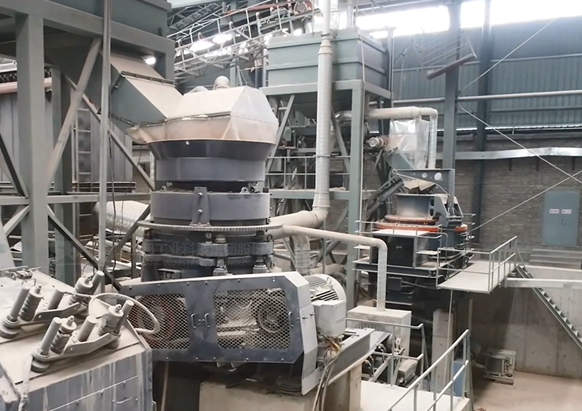
1. High Efficiency: Modern crushers (e.g., jaw crushers, cone crushers) and sand-makers (e.g., VSI crushers) process large volumes quickly, meeting tight project deadlines.
2. Versatility: Equipment can handle diverse materials—granite, limestone, river pebbles—and produce multiple aggregate sizes for concrete, asphalt, or road bases.
3. Automation & Sustainability: Advanced systems reduce manual labor, while dust suppression and noise control technologies minimize environmental impact.
4. Cost-Effectiveness: On-site crushing cuts transportation costs by processing materials locally.
1. High Initial Investment: Purchasing or leasing equipment requires significant capital; maintenance adds to operational costs.
2. Wear & Tear: Abrasive materials accelerate component degradation (e.g., blow bars, liners), demanding frequent replacements.
3. Energy Consumption: Heavy machinery consumes substantial power, impacting operational expenses in energy-scarce regions.
4. Regulatory Compliance: Dust emissions and noise may require permits or mitigation measures to avoid legal penalties.
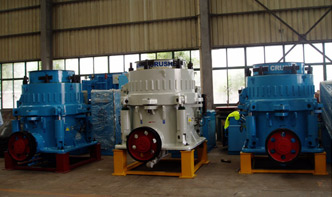
A: Jaw crushers suit primary crushing (hard rocks), while cone crushers excel in secondary/tertiary stages for finer outputs.
A: Yes—mobile impact crushers often recycle demolition waste into reusable aggregates.
A highway project in Texas utilized a portable crushing plant to process local limestone onsite, reducing haulage costs by 30% and completing the project ahead of schedule with ASTM-compliant aggregates.
While crushing/sand-making equipment boosts productivity and sustainability, operators must balance performance with maintenance and regulatory demands to maximize ROI in the competitive aggregate market.

