Calcite Stone Processing and Its Role in the Aggregates Industry
Calcite, a naturally occurring calcium carbonate mineral, is widely used in construction, agriculture, and industrial applications. Its processing into high-quality aggregates involves several stages, leveraging specialized crushing and grinding equipment to meet market demands.
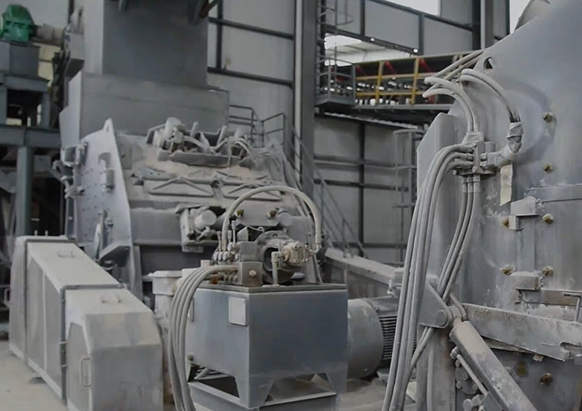
The global demand for calcite-based aggregates continues to rise due to their versatility in cement production, road construction, and soil stabilization. Efficient processing ensures optimal particle size distribution, enhancing material performance in end-use applications.
1. Primary Crushing: Large calcite rocks are reduced using jaw crushers or gyratory crushers for initial size reduction.
2. Secondary Crushing: Cone crushers or impact crushers further refine the material into smaller fragments.
3. Grinding & Classification: Ball mills or vertical roller mills pulverize calcite into fine powders (<100 microns), while air classifiers separate particles by size.
4. Washing & Dewatering: Sand screws or hydrocyclones remove impurities and control moisture content for premium-grade products.
Q: What is the ideal hardness range for calcite processing?
A: Calcite has a Mohs hardness of 3, making it relatively soft but abrasive; tungsten carbide-lined wear parts are recommended.
Q: How is dust controlled during grinding?
A: Baghouse filters or wet scrubbers effectively capture airborne particles.
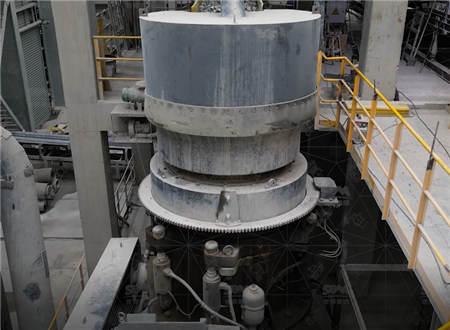
A Spanish quarry upgraded its calcite processing line with a multi-stage crushing-screening system, achieving a 30% increase in throughput while reducing energy consumption by 15%. The final product met EN 12620 standards for construction aggregates.
By optimizing calcite processing workflows with advanced equipment, producers can enhance efficiency and product quality—critical factors in today’s competitive aggregates market.

