The Role of Crushing and Sand-Making Equipment in Modern Aggregate Industry
The aggregate industry plays a vital role in global infrastructure development, providing essential materials like sand, gravel, and crushed stone for construction projects. With urbanization accelerating worldwide, the demand for high-quality aggregates has surged, driving innovations in crushing and sand-making equipment.
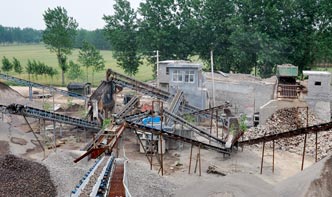
Aggregates are the backbone of concrete, asphalt, and road bases. Natural sand reserves are depleting due to over-exploitation, leading to stricter environmental regulations. This has shifted focus toward manufactured sand (M-sand) produced by crushing hard rocks or recycling construction waste. Modern crushing and sand-making equipment ensures consistent particle size distribution, improved workability, and reduced environmental impact compared to traditional methods.
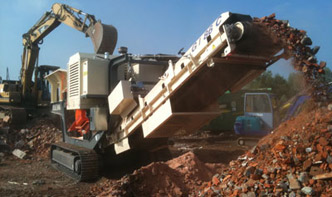
1. Jaw Crushers: Ideal for primary crushing, these machines break large rocks into smaller fragments with high efficiency.
2. Cone Crushers: Used for secondary or tertiary crushing, they produce finely graded aggregates suitable for concrete mixes.
3. Vertical Shaft Impact (VSI) Crushers: Key for sand-making, VSI crushers shape particles into cubical forms, enhancing concrete strength.
4. Mobile Crushing Plants: Offer flexibility for on-site processing, reducing transportation costs and carbon footprint.
A: M-sand has better gradation control, no impurities, and reduces dependency on riverbed mining.
A: Fixed plants suit large-scale quarries with stable demand; mobile plants are ideal for short-term projects or remote sites.
A highway project in Southeast Asia faced shortages of natural sand due to environmental bans. By deploying a VSI crusher combined with a screening system, the contractor produced high-quality M-sand meeting ISO standards while cutting costs by 20%. The solution also minimized ecological disruption by recycling excavation waste.
As sustainability becomes paramount, advanced crushing technology will continue shaping the future of the aggregate industry—balancing productivity with environmental responsibility.

