The Rise of Mobile Crusher Plants in the Sand and Aggregate Industry
The global demand for sand and aggregate continues to surge, driven by urbanization, infrastructure development, and construction activities. Traditional stationary crushing plants have long dominated the industry, but the emergence of mobile crusher plants—particularly Japanese-engineered models—has revolutionized efficiency, flexibility, and sustainability in material processing.
Sand and gravel are among the most extracted materials worldwide, essential for concrete, asphalt, and road base construction. However, environmental regulations, limited access to remote sites, and the need for cost-effective solutions have pushed contractors toward mobile crushing technology. Japanese manufacturers like , , and Nakayama have pioneered compact, high-performance mobile crushers tailored for diverse applications—from quarrying to recycling demolition waste.
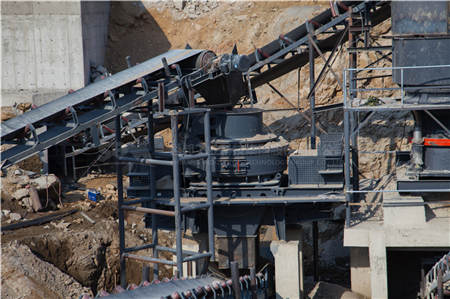
1. Mobility & Flexibility: Equipped with tracks or wheels, these plants can be relocated easily, reducing transportation costs and enabling on-site crushing.
2. Energy Efficiency: Advanced hydraulic systems and hybrid engines minimize fuel consumption while maintaining high throughput.
3. Compact Design: Ideal for confined urban job sites or rugged terrains without sacing productivity.
4. Automation & Smart Controls: Integrated sensors and remote monitoring optimize performance and reduce downtime.
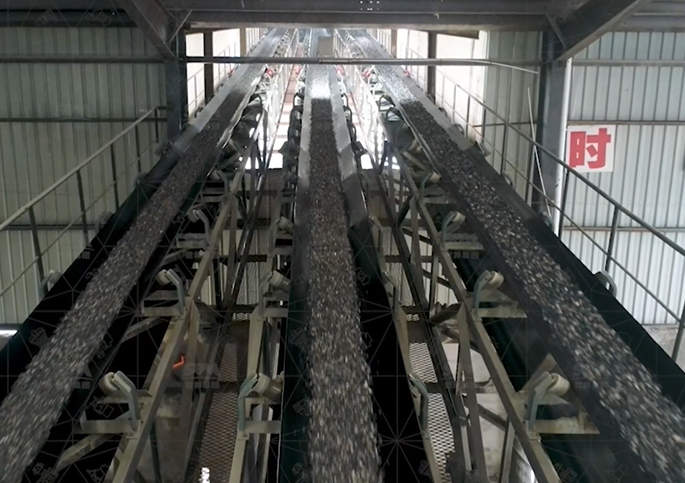
A: They handle limestone, granite, recycled concrete, asphalt, and even ore in mining applications.
A: While stationary plants offer higher capacity for large-scale projects, mobiles excel in versatility and rapid deployment.
A: Yes—models are built with robust materials and weather-resistant components for extreme conditions.
A highway project in Southeast Asia utilized a Nakayama MC240G mobile crusher to process riverbed gravel directly at the site. By eliminating off-site hauling, the contractor saved 30% in logistics costs and completed the project ahead of schedule.
Japanese mobile crusher plants represent a paradigm shift in aggregate processing—combining precision engineering with operational agility. As sustainability becomes paramount globally their role will only expand offering scalable solutions across industries from construction to recycling

