Challenges and Solutions in Granite Processing for the Aggregates Industry
The aggregates industry plays a critical role in construction, providing essential materials like crushed stone, sand, and gravel. Granite, as a hard and abrasive rock, is widely used for high-quality aggregates due to its durability and aesthetic appeal. However, processing granite poses unique challenges that demand advanced crushing and sand-making equipment.
1. High Hardness & Abrasiveness
Granite ranks high on the Mohs scale (6-7), causing rapid wear on crusher components like jaws, cones, and blow bars. This increases maintenance costs and downtime if unsuitable equipment is used.
2. Particle Shape Requirements
For construction applications (e.g., concrete or asphalt), cubical-shaped particles are preferred over flaky or elongated ones. Achieving this demands precise crushing stages and well-configured vertical shaft impactors (VSIs).
3. Dust Control & Environmental Compliance
Dry processing generates excessive dust, requiring water sprays or enclosed systems to meet environmental regulations. Wet processing may introduce sludge disposal issues.
4. Energy Consumption
Primary crushing of granite consumes significant power. Optimizing circuit design (e.g., three-stage crushing) improves efficiency but requires capital investment.
Q: How to reduce wear costs in granite crushing?
A: Use high-manganese steel or ceramic liners, adopt layered crushing (reducing direct impact), and monitor wear parts regularly.
Q: Can granite waste be reused?
A: Yes, crushed granite scraps can be repurposed as base material for roads or recycled into artificial sand via VSIs.
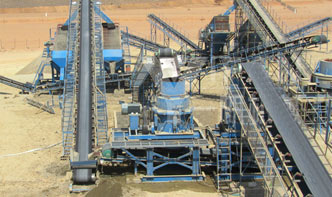
A project in Southeast Asia faced low sand yield (~30%) due to improper VSI configuration. After upgrading to a modern VSI with a cascading rotor design and adjusting feed gradation, sand production increased to 50% while maintaining ISO-certified particle shape standards—boosting profitability significantly.
Granite processing demands tailored solutions balancing hardness challenges, product quality, and operational costs. Investing in robust equipment and automation ensures long-term efficiency in the competitive aggregates market.For more insights on plant optimization,customized configurations are recommended based on material testing reports。

