The Evolution of Crushing and Sand-Making Equipment in the Aggregates Industry
The aggregates industry plays a pivotal role in global infrastructure development, supplying essential materials like sand, gravel, and crushed stone for construction projects. With urbanization and sustainable building practices on the rise, demand for high-quality aggregates has surged, driving innovation in crushing and sand-making equipment.
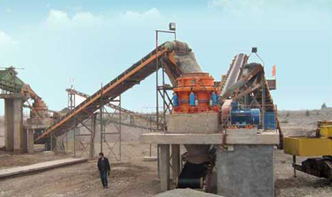
Aggregates are the foundation of modern construction, used in concrete, asphalt, and road bases. Traditionally, natural sand was the primary resource, but environmental concerns and depletion have shifted focus to manufactured sand (M-Sand) produced by crushing hard rocks. This transition has elevated the importance of advanced crushing and sand-making machinery designed for efficiency, durability, and minimal environmental impact.
1. Jaw Crushers: Ideal for primary crushing, these machines break large rocks into manageable sizes with high throughput and low maintenance.
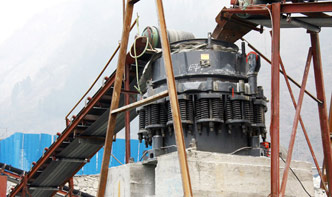
2. Cone Crushers: Suited for secondary or tertiary crushing, they deliver finely graded output for high-quality aggregates.
3. Impact Crushers: Versatile units capable of producing cubical-shaped end products, ideal for asphalt and concrete applications.
4. Sand Makers (VSI Crushers): Specialized equipment that crushes rocks into fine, well-graded M-Sand with optimal particle shape for superior concrete performance.
Key advancements include automation (e.g., IoT-enabled monitoring), energy-efficient designs, and hybrid power options to reduce carbon footprints.
A: M-Sand is manufactured by crushing rocks, offering consistent gradation and fewer impurities compared to irregular natural sand.
A: Cone crushers excel in hardness reduction with lower operating costs; impact crushers prioritize shaping aggregates but wear faster in abrasive conditions.
A: Yes—modern equipment can repurpose demolition waste like concrete into reusable aggregates.
A quarry in Texas upgraded to a VSI crusher system to produce M-Sand for local concrete plants. The result was a 20% increase in production efficiency while meeting ASTM C33 standards—showcasing how technology bridges quality gaps sustainably.
As sustainability regulations tighten globally, investing in cutting-edge crushing solutions ensures compliance while future-proofing operations against resource scarcity—a win-win for both business growth and environmental stewardship.

