The Evolution of Mining Equipment: Bottom-Dump Solutions in Aggregate Production
The global construction boom has fueled unprecedented demand for high-quality sand and aggregates, driving innovation in mining equipment. Among the most critical advancements is the bottom-dump truck, a workhorse in bulk material handling for quarries and sand-processing plants.
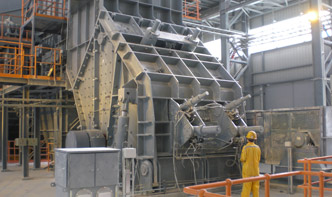
Aggregate production relies on efficient material transport from extraction sites to crushing and screening plants. Traditional side-dump or rear-dump trucks often face challenges like spillage, uneven loading, and longer cycle times. Bottom-dump vehicles address these issues by enabling rapid, controlled discharge directly beneath the chassis—ideal for feeding primary crushers or stockpiling conveyors.
1. Precision Unloading: Hydraulic gates ensure uniform material flow, reducing segregation and optimizing crusher feed consistency.
2. Cycle Efficiency: Dumping occurs in seconds, minimizing downtime compared to conventional methods.
3. Durability: Reinforced chassis designs withstand abrasive materials like granite or basalt, extending equipment lifespan.
4. Safety: Eliminates manual spreading risks associated with rear-dumping.
Q: Can bottom-dump trucks handle wet or sticky materials?
A: Yes, but proper gate design (e.g., vibratory or heated edges) prevents material buildup.
Q: How do they compare to conveyor systems?
A: Trucks offer flexibility in uneven terrain; conveyors excel in fixed, high-volume operations.
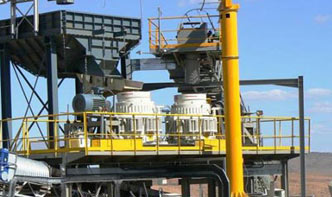
A Texas-based operator replaced rear-dump trucks with bottom-dump models, achieving a 20% increase in hourly throughput due to faster unloading and reduced crusher idle time. Maintenance costs dropped by 15% thanks to fewer spillage-related cleanups.
Automation integration (e.g., GPS-guided dumping) and hybrid powertrains are poised to further enhance efficiency while reducing carbon footprints—a priority for ESG-compliant operations.
Bottom-dump technology exemplifies how targeted equipment innovation can elevate productivity across the aggregate value chain, from pit to plant. As sustainability pressures mount, its role will only expand in modern mineral processing workflows.

