Cone Crushers: Device and Working Principle in the Aggregate Industry
The aggregate industry plays a pivotal role in construction, infrastructure, and mining sectors, providing essential materials like sand, gravel, and crushed stone. Among the key equipment used in this industry, cone crushers stand out for their efficiency in secondary and tertiary crushing stages.
A cone crusher consists of several critical components:
1. Main Frame: Provides structural support.
2. Crushing Chamber: Comprises a fixed concave (outer liner) and a movable mantle (inner cone).
3. Eccentric Assembly: Drives the gyratory motion of the mantle.
4. Hydraulic System: Adjusts the discharge setting and protects against overloads.
5. Drive Motor: Powers the eccentric shaft via belts or direct coupling.
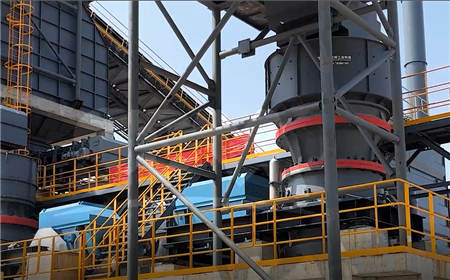
Cone crushers operate on the principle of compressive crushing. The mantle gyrates within the concave, creating a narrowing gap where rocks are progressively crushed into smaller sizes. Key phases include:
Modern cone crushers often feature hydraulic adjustment systems for quick CSS (closed-side setting) changes and automated control systems for optimal performance.
1. What’s the difference between standard and short-head cone crushers?
– Standard cones are for coarse crushing; short-head cones produce finer output due to a steeper chamber design.
2. How to prevent excessive wear?
– Use proper liner materials (e.g., manganese steel), monitor feed size, and avoid overloading.
3. What maintenance is required?
– Regular lubrication, inspection of liners/hydraulics, and monitoring vibration levels are essential.
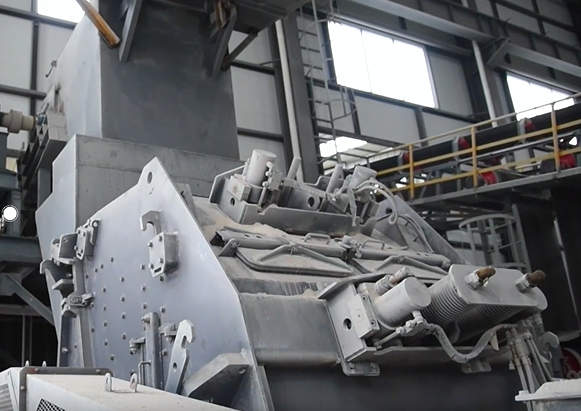
A quarry in Texas upgraded to a hydraulic cone crusher with automated settings, achieving:
Cone crushers are indispensable in aggregate processing, offering high reduction ratios and product uniformity. Advances in automation and wear-resistant materials continue to enhance their reliability across mining and construction applications worldwide.

