The Limestone Building Process: A Comprehensive Flow Chart and Industry Insight
The limestone building process is a cornerstone of the construction and aggregate industries, providing essential materials for infrastructure, residential projects, and industrial applications. This article delves into the flow chart of limestone processing, highlighting key stages, equipment, and industry trends.
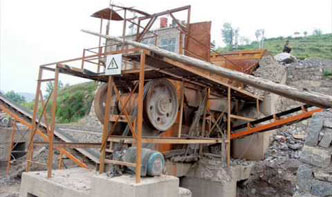
Limestone is a versatile sedimentary rock widely used in cement production, road base, concrete aggregates, and architectural stone. The global demand for high-quality limestone products drives advancements in crushing and sand-making technologies. With urbanization accelerating, the aggregate industry faces pressure to optimize production efficiency while minimizing environmental impact.
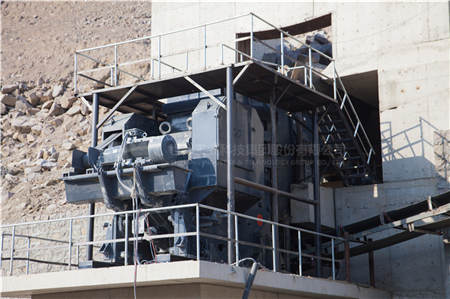
1. Quarrying: Limestone is extracted from open-pit mines using drilling and blasting techniques. Modern quarries employ GPS-guided equipment for precision.
2. Primary Crushing: Large jaw crushers or gyratory crushers reduce raw limestone (up to 1.5m) to smaller chunks (~200mm).
3. Secondary Crushing: Cone crushers or impact crushers further break down the material to ≤50mm for finer processing.
4. Screening: Vibrating screens classify crushed limestone into desired sizes (e.g., 0-5mm, 5-20mm) for different applications.
5. Tertiary Crushing/Sand Making: For manufactured sand (M-sand), vertical shaft impactors (VSIs) or roller crushers produce 0-5mm particles with optimal gradation.
6. Washing & Dewatering: Sand screws or cyclones remove impurities (clay, silt) to meet ASTM/C33 standards for concrete use.
7. Stockpiling & Dispatch: Finished products are stored in segregated piles and transported to construction sites.
Q1: Why choose limestone over granite for aggregates?
A: Limestone offers easier crushing, lower hardness (3-4 Mohs), and reduced wear on equipment liners compared to granite (6-7 Mohs).
Q2: How to mitigate dust in limestone crushing?
A: Use wet suppression systems, enclosed conveyors, and baghouse filters compliant with EPA regulations.
Q3: What’s the typical output ratio of M-sand in limestone plants?
A: Approximately 30–40% of total production, depending on VSI settings and feed gradation.
Project: A Texas-based quarry upgraded to a 500 TPH limestone crushing line with a CJ412 jaw crusher + CH440 cone + VSI CV218 sand maker. Results included:
Optimizing limestone processing requires balancing particle shape, throughput, and sustainability—leveraging advanced crushing technologies ensures competitiveness in the evolving aggregate market.For tailored solutions,collaborate with OEMs specializing in turnkey plant design.(End)

