Comprehensive Guide to Cement Grinding Plant Equipment and Related Aggregate Industry Insights
The cement and aggregate industries are critical to global infrastructure development. Cement grinding plants play a pivotal role in producing high-quality cement by finely grinding clinker with additives like gypsum. Meanwhile, the sand and gravel (aggregate) sector supplies essential materials for concrete, asphalt, and construction projects. Both industries rely on robust crushing, grinding, and screening equipment to meet stringent quality standards.
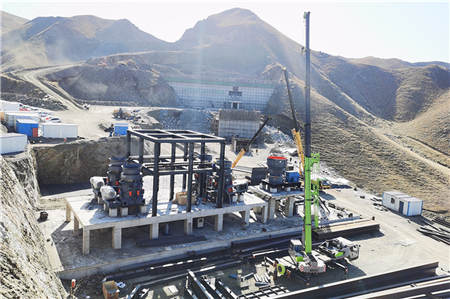
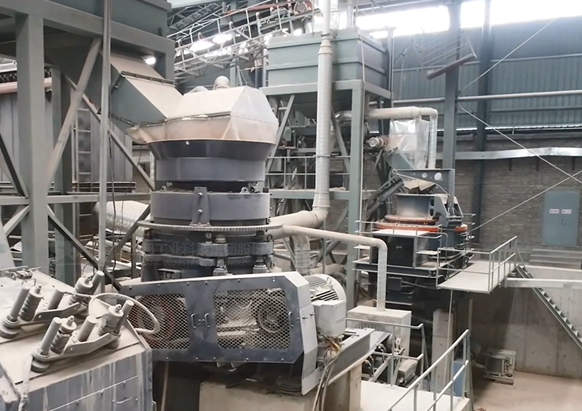
1. Vertical Roller Mill (VRM) / Ball Mill – The heart of grinding operations, VRMs offer energy efficiency, while ball mills remain reliable for finer grinding.
2. Cement Silo – Stores finished cement before dispatch.
3. Bucket Elevator & Conveyors – Transport raw materials and finished products.
4. Dust Collection System (Baghouse/ESP) – Ensures compliance with environmental regulations.
5. Classifier/Separator – Enhances particle size distribution control.
6. Packing & Dispatch System – Automated bagging or bulk loading for distribution.
1. What’s the typical lifespan of a cement mill?
Well-maintained VRMs last 20–25 years; ball mills may require liner replacements every 5–7 years.
2. How to mitigate dust pollution in grinding plants?
Integrate high-efficiency bag filters or electrostatic precipitators (ESPs) with >99% capture rates.
3. Can crushed recycled concrete replace natural aggregates?
Yes, but proper screening and washing are needed to remove impurities like rebar or asphalt remnants.
A 1.2 MTPA plant deployed a vertical roller mill (LOESCHE LM 56.3+3) paired with a high-efficiency separator, achieving a 15% energy saving compared to traditional ball mills—showcasing how technology upgrades enhance sustainability without compromising output quality.
By aligning equipment selection with operational goals and regulatory demands, stakeholders can optimize both cement grinding and aggregate production processes efficiently

