The Role of Hammer Crushers in Modern Aggregate Processing: A Focus on Dable Rotter Technology
The global construction boom has intensified demand for high-quality sand and aggregates, driving innovations in crushing equipment. Among these, hammer crushers stand out for their efficiency in primary and secondary crushing applications. The Dable Rotter Hammer Crusher exemplifies this evolution, combining robust design with advanced material science to optimize particle shape and throughput.
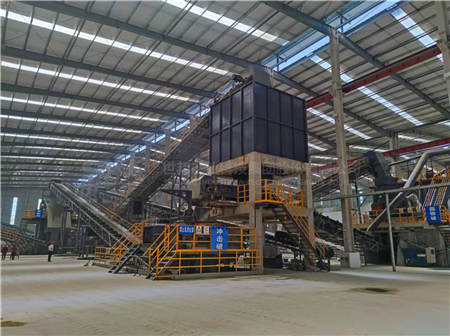
Aggregate processing is the backbone of infrastructure development, supplying materials for concrete, asphalt, and road bases. Traditional jaw and cone crushers dominate primary stages, but hammer crushers excel in mid-range hardness materials (e.g., limestone, gypsum) due to their high reduction ratios and minimal fines generation.
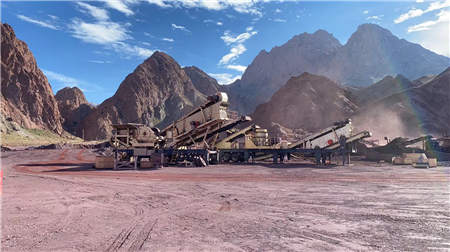
1. Modular Design: Replaceable wear parts (hammers, liners) reduce downtime.
2. Impact Dynamics: Optimized rotor speed ensures 20–30% higher yield compared to conventional models.
3. Energy Efficiency: Variable-frequency drives (VFDs) adjust power consumption based on feed size.
A: Inspect hammers every 200–300 operating hours; replace after 1,200 hours depending on abrasiveness.
A: Yes, but pre-screening is advised to prevent clogging.
A quarry in Texas upgraded to a Dable Rotter HC-1500 model for processing recycled concrete aggregates (RCA). Key outcomes:
With sustainability mandates rising, hammer crushers are integrating IoT sensors for real-time wear monitoring—a shift likely to redefine operational benchmarks in the next decade.
By balancing durability and precision, the Dable Rotter series addresses both economic and environmental priorities in aggregate production—proving that innovation thrives at the intersection of mechanics and material science.

