The Role of Concrete Crushers in the Aggregate Industry
The construction and mining industries rely heavily on aggregate materials like sand, gravel, and crushed stone. With urbanization and infrastructure development accelerating globally, the demand for high-quality aggregates has surged. Among the key equipment in this sector, concrete crushers play a pivotal role in recycling demolition waste and processing raw materials into usable sizes.
Understanding the 2-Ton-Per-Hour Concrete Crusher
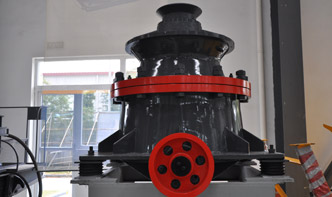
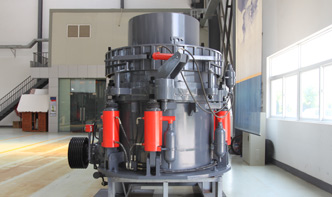
A concrete crusher with a capacity of 2 tons per hour is ideal for small to medium-scale projects, such as residential construction or road repairs. These compact machines are designed to break down concrete slabs, bricks, and asphalt into smaller, reusable fragments. Key features include:
Applications and Benefits
1. Demolition Recycling: Crushing concrete on-site saves disposal fees and provides ready-made base material for new construction.
2. Road Base Production: Crushed concrete is often used as a stable sub-layer for roads and pavements.
3. Cost Savings: Reusing materials cuts procurement expenses and aligns with green building practices.
FAQs About Concrete Crushers
Q: What maintenance does a 2-ton-per-hour crusher require?
A: Regular lubrication, wear-part inspections, and clearing jammed debris are essential for longevity.
Q: Can it handle reinforced concrete?
A: Yes, but pre-processing (e.g., removing rebar) may be needed to avoid damage to the crusher.
Q: What’s the typical output size?
A: Adjustable settings usually produce aggregates ranging from 20mm to 50mm, suitable for most construction needs.
Case Study: Urban Redevelopment Project
In a recent urban renewal project in Texas, a contractor used a 2-ton-per-hour concrete crusher to process demolished building waste. The recycled material was repurposed for new sidewalks and parking lots, reducing project costs by 15% and diverting over 500 tons of waste from landfills.
Conclusion
Compact concrete crushers are indispensable for sustainable construction. Their ability to transform waste into valuable resources supports both economic and environmental goals—making them a smart investment for modern aggregate operations.