The Essential Guide to Calculating Tons Needed for Screenings in Aggregate Production
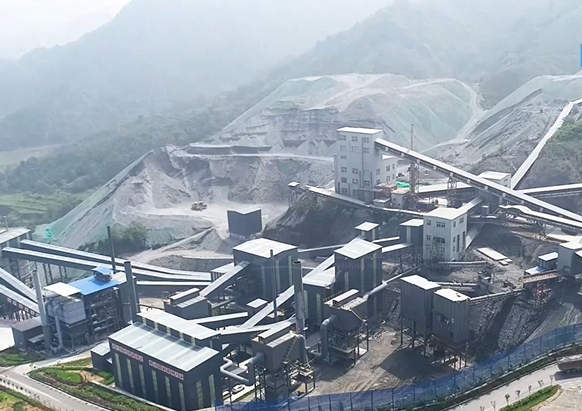
The aggregate industry is a cornerstone of construction, providing essential materials like crushed stone, sand, and gravel for infrastructure projects. Screenings—fine aggregates produced during crushing—play a critical role in applications such as road base, drainage layers, and concrete mixes. Accurately calculating the required tons of screenings ensures cost efficiency and project success.
Screenings are granular byproducts of crushing operations, typically smaller than 3/8″. They are valued for compaction and stability in:
1. Project Specifications: Determine the required thickness (depth) and area (square footage or square meters) of the screenings layer.
2. Material Density: Screenings generally weigh 1.25–1.35 tons per cubic yard (or ~1.5–1.6 metric tons per cubic meter). Confirm with lab tests or supplier data.
3. Compaction Factor: Account for compaction losses (typically 10–20%).
Formula:
\[ \text{Tons} = \text{Area (sq ft)} \times \text{Depth (ft)} \times \text{Density (tons/ft³)} \times \text{Compaction Factor} \]
Example: For a 1,000 sq ft area with 6″ depth:
\[ 1,000 \times 0.5 \times 0.048 \times 1.15 = 27.6 \, \text{tons} \]
Q: How do moisture content and gradation affect calculations?
A: Wet screenings weigh more; gradation impacts compaction. Always adjust for site conditions.
Q: Can I reuse screenings from demolition waste?
A: Yes, but test for contaminants and stability before reuse.
A contractor in Texas needed screenings for a 10-mile highway sub-base (12″ thick). Using the formula above, they calculated ~28,000 tons, accounting for local limestone density (1.32 tons/yd³) and 15% compaction loss. Precise planning reduced material waste by 12%.
Accurate tonnage calculations hinge on understanding material properties and project requirements. Partner with reliable aggregate suppliers to ensure quality screenings tailored to your needs—optimizing both performance and budget.

