The Role of Antique Fairbanks Hammer Mills in Modern Aggregate Processing
The aggregate and sand production industry relies on robust crushing and grinding equipment to transform raw materials into high-quality construction materials. Among the historic yet influential machines in this field is the antique Fairbanks hammer mill, a testament to early 20th-century engineering that laid the groundwork for modern comminution technology.
Aggregate processing demands efficient size reduction to produce uniformly graded sand, gravel, or crushed stone. While contemporary equipment dominates today’s market, antique Fairbanks hammer mills remain notable for their durability and simple mechanical design. Originally used in agriculture and small-scale mining, these mills were adapted for secondary crushing in early aggregate plants, showcasing versatility in handling medium-hard materials like limestone and shale.
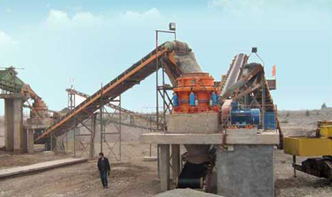
1. Rugged Construction: Built with heavy-duty cast iron or steel frames, these mills endured demanding operations.
2. Pulverizing Mechanism: Swinging hammers mounted on a rotating shaft delivered high-impact crushing, suitable for brittle materials.
3. Gravity Discharge: Early models relied on gravity for product expulsion, limiting throughput but ensuring simplicity.
4. Adaptability: Some units were retrofitted with screens to control output sizing, a precursor to modern hammer mill designs.
Despite their obsolescence in large-scale operations, antique Fairbanks mills are valued in niche applications, such as historic site restoration or small rural projects where low-capacity crushing suffices.
Q: Can antique Fairbanks hammer mills still be used today?
A: Yes, but primarily for low-volume or educational purposes. Their efficiency pales in comparison to modern vertical shaft impactors (VSIs) or cone crushers.
Q: What maintenance challenges exist?
A: Obsolete parts availability is a hurdle. Custom machining or retrofitting may be necessary to sustain operation.
Q: How does output compare to contemporary equipment?
A: Output is significantly lower, and particle shape control is less precise due to the absence of advanced chamber designs.
A preserved Fairbanks hammer mill in a Michigan quarry museum demonstrates its role in early aggregate processing. Though retired from commercial use, such units highlight the evolution of crushing technology—from brute-force impact to today’s automated, energy-efficient systems.
While modern plants prioritize high-capacity, precision grinding, the Fairbanks hammer mill endures as a symbol of industrial ingenuity, reminding the industry of its mechanical roots. For collectors or historians, these antiques offer a tangible link to the past, though their practical utility in today’s sand and aggregate sector remains limited.
In summary, the antique Fairbanks hammer mill represents a bridge between rudimentary crushing methods and today’s advanced machinery, underscoring the aggregate industry’s progress toward efficiency and sustainability.

