The Commercial Scale Ball Mill: A Key Player in Aggregate Processing
The aggregate and sand industry is a cornerstone of modern construction, providing essential materials for infrastructure, buildings, and roads. At the heart of this industry lies comminution equipment like the ball mill, a workhorse for grinding crushed materials into fine powders or uniform granules. Commercial-scale ball mills are critical for producing high-quality sand, cement, and mineral powders, ensuring consistency and efficiency in large-volume operations.
Global demand for sand and aggregates is projected to grow steadily, driven by urbanization and infrastructure development. Ball mills, particularly in commercial settings, are favored for their versatility—capable of wet or dry grinding, handling hard ores, limestone, or recycled concrete. Their ability to produce finely ground materials makes them indispensable in cement production, mineral processing, and even advanced applications like silica sand for glass manufacturing.
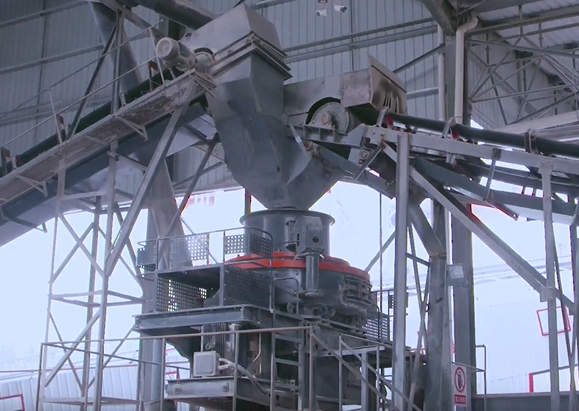
1. Scalability: Designed for 24/7 operation, commercial ball mills range from 1-ton/hour pilot units to 50+ ton/hour industrial systems.
2. Material Adaptability: Liners and grinding media (steel, ceramic, or chrome) can be customized for abrasion resistance or contamination-sensitive processes.
3. Energy Efficiency: Modern designs incorporate variable-speed drives and advanced control systems to optimize power consumption.
4. Low Maintenance: Robust construction with accessible components reduces downtime.
Commercial-scale ball mill prices vary widely based on:
Q: How does a ball mill compare to a vertical roller mill (VRM)?
A: Ball mills excel in finer grinding and flexibility but consume more energy than VRMs, which are compact and efficient for coarse-to-medium grinding.
Q: What’s the typical lifespan of a commercial ball mill?
A: With proper maintenance, 15–20 years. Regular liner and gear inspections are critical.
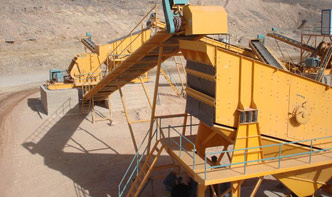
A Southeast Asian cement plant upgraded to a 30-TPH ball mill, achieving a 20% energy reduction via a high-efficiency motor and automated slurry control. The ROI was realized in 3 years through increased throughput and lower maintenance costs.
Investing in a commercial ball mill requires balancing upfront costs with long-term operational benefits. As sustainability and efficiency gain importance, innovations in grinding technology will continue to reshape the aggregate industry. For large-scale producers, the ball mill remains a reliable, adaptable solution.

