Hammer Mill for Sale from China: A Comprehensive Guide for Aggregate Industry
The global demand for high-quality sand and gravel continues to rise, driven by infrastructure development and urbanization. As a key player in the aggregate industry, China has emerged as a leading supplier of crushing and grinding equipment, including hammer mills. These machines are widely used for processing raw materials like limestone, granite, and recycled concrete into finely crushed aggregates for construction, road building, and other applications.
The sand and gravel industry is a cornerstone of modern construction, with an estimated annual production exceeding 50 billion tons worldwide. However, natural sand reserves are depleting, prompting a shift toward manufactured sand (M-Sand) produced by crushing rocks. Hammer mills, known for their efficiency in secondary and tertiary crushing, play a pivotal role in this process. Chinese manufacturers have gained recognition for offering cost-effective, durable, and high-performance hammer mills tailored to diverse operational needs.
Chinese-made hammer mills are designed for versatility and durability, featuring:
Leading manufacturers often provide models with capacities from 5 TPH to 200 TPH, suitable for small quarries or large-scale mining operations.
1. What materials can a hammer mill process?
Hammer mills are ideal for medium-hard to soft materials like coal, gypsum, limestone, and brittle minerals.
2. How does a Chinese hammer mill compare to European models?
Chinese hammer mills offer competitive pricing without compromising quality, though buyers should verify certifications (e.g., CE, ISO) and after-sales support.
3. What are the maintenance requirements?
Regular inspection of hammers, screens, and bearings is essential. Most Chinese suppliers provide detailed manuals and spare parts support.
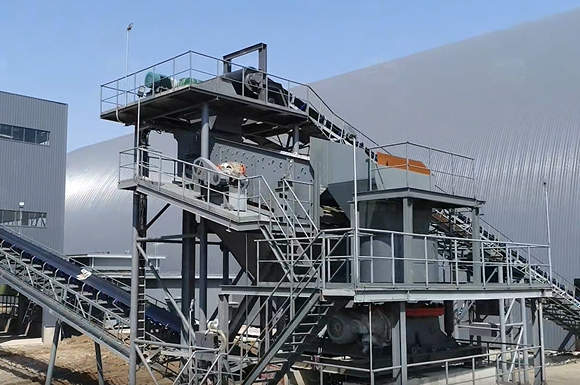
A quarry in Southeast Asia replaced its traditional jaw crusher with a Chinese hammer mill for secondary crushing. The result:
For buyers seeking reliable hammer mills, China offers a balance of affordability and performance. By selecting reputable suppliers and verifying technical specifications, operators can enhance their aggregate production lines while optimizing costs. Always request material test reports and visit factories if possible to ensure equipment meets project requirements.

