Ball Mill Structural Foundation Design in the Aggregate Industry
The aggregate industry relies heavily on robust equipment like ball mills for grinding and processing raw materials into fine powders or aggregates. A well-designed structural foundation is critical to ensure operational stability, minimize vibration, and extend the equipment’s lifespan.
Industry Background
Ball mills are widely used in mining, cement, and aggregate plants to grind materials such as limestone, granite, and ores. Their efficiency depends not only on mechanical design but also on the integrity of the foundation, which must withstand dynamic loads, vibrations, and environmental factors.
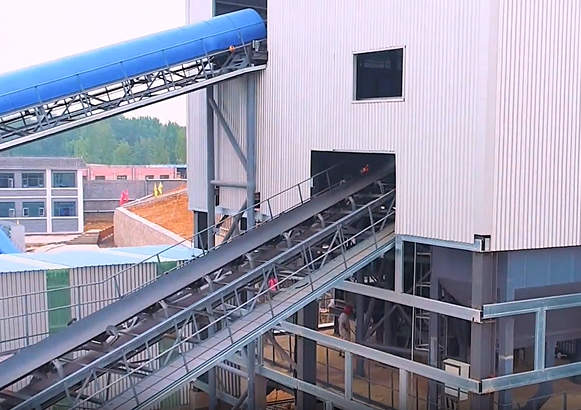
Core Design Considerations
1. Load Analysis: The foundation must support the mill’s weight, grinding media, and material load. Dynamic forces from rotation and impact must be factored into calculations.
2. Vibration Control: Excessive vibration can lead to structural cracks or misalignment. Anti-vibration measures like shock absorbers or reinforced concrete pads are often incorporated.
3. Material Selection: High-strength concrete with rebar reinforcement is standard. The foundation’s depth and footprint depend on soil bearing capacity and seismic conditions.
4. Alignment & Maintenance Access: Proper leveling ensures smooth operation, while accessible design simplifies inspections and repairs.
Common FAQs
A: Typically 1.5–2 times the mill’s diameter, but site-specific geotechnical studies are essential.
A: Only after rigorous structural analysis; retrofitting may require additional reinforcement.
A: Cracks, uneven settling, or abnormal vibrations during operation.
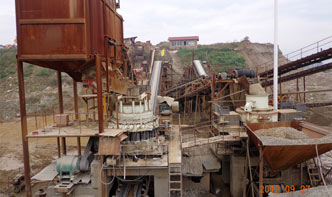
Engineering Case Study
A granite processing plant in Texas upgraded its ball mill system but faced persistent vibration issues. Analysis revealed inadequate foundation depth for the new load. The solution involved excavating the old foundation, improving soil compaction, and installing a thicker, steel-reinforced base. Post-installation, vibration levels dropped by 40%, and mill efficiency improved.
Conclusion
A meticulously designed foundation is the backbone of ball mill performance. Collaboration between structural engineers and equipment suppliers ensures compliance with operational and safety standards, reducing downtime and optimizing productivity in the aggregate sector.

