Processing Copper Scrap into Rods: A Sustainable Approach
The global demand for copper continues to rise, driven by industries such as construction, electronics, and renewable energy. Recycling copper scrap into rods is a cost-effective and environmentally sustainable solution, reducing the need for ore extraction while maintaining material quality.
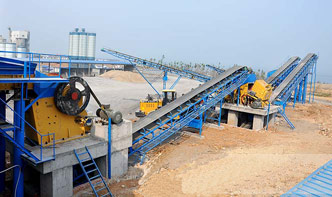
Copper scrap recycling plays a vital role in the circular economy. Scrap sources include discarded wires, transformers, and industrial waste. Processing this scrap into rods involves several stages: sorting, cleaning, melting, casting, and extrusion. The final product—copper rods—is widely used in electrical wiring, machinery, and infrastructure.
1. Sorting & Preparation: Scrap is segregated by purity and type (e.g., bare bright, insulated). Contaminants like plastics or coatings are removed.
2. Melting & Refining: Cleaned scrap is melted in furnaces (e.g., induction, reverberatory). Impurities are skimmed or chemically refined to achieve high-purity copper.
3. Casting: Molten copper is cast into billets or logs. Continuous casting ensures uniform density.
4. Extrusion & Rolling: Billets are heated and extruded into rods, which may undergo further cold drawing for precise dimensions.
Q: What types of scrap are suitable for rod production?
A: High-grade scrap (e.g., bare bright copper) is ideal, but lower grades can be refined.
Q: How is copper purity maintained?
A: Electrolytic refining or flux treatments remove impurities like lead or sulfur.
Q: Can recycled rods match copper performance?
A: Yes, properly processed recycled copper meets ASTM/IEC conductivity and mechanical standards.
A U.S.-based recycler upgraded its facility with an automated sorting line and oxygen-free melting furnace, increasing rod production by 30% while reducing energy consumption. The rods supplied to cable manufacturers passed rigorous conductivity tests, demonstrating the viability of recycled content.
By optimizing scrap processing, the copper industry can meet demand sustainably while supporting green manufacturing initiatives. Advances in sorting and refining technologies further enhance efficiency, making scrap-to-rod production a cornerstone of modern metal recycling.

