The Essential Guide to Grinding Stones and Aggregate Processing Equipment in Singapore
Singapore’s booming construction and infrastructure sector relies heavily on high-quality aggregates and grinding stones for concrete production, road base materials, and other applications. With limited natural resources, the city-state imports and processes raw materials efficiently, making grinding equipment a critical component of its industrial landscape.
Aggregates—crushed stone, sand, and gravel—are fundamental to construction. In Singapore, stringent quality standards demand precise grinding and crushing to meet specifications for strength, size, and cleanliness. Grinding stones, often part of larger crushing machinery, are indispensable for producing fine aggregates or reshaping coarse materials for reuse.
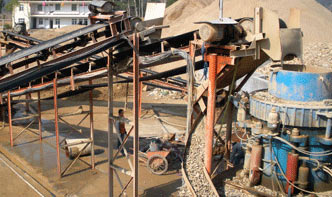
Grinding stones are typically integrated into:
For buyers in Singapore, key considerations include:
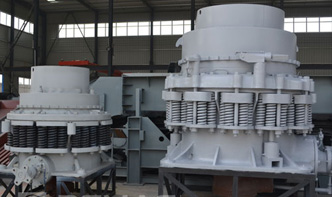
Local suppliers like:
1. What’s the cost range for grinding stones?
Prices vary by size and material (e.g., $50–$500 for portable units; industrial setups may cost thousands).
2. How to maintain grinding equipment?
Regular lubrication, wear-part inspections, and avoiding overloading prevent breakdowns.
3. Can Singapore’s recycled concrete be reprocessed?
Yes, crushers with grinding stones are used to turn demolition waste into reusable aggregates.
A recent project utilized VSI crushers with diamond-tipped grinding stones to process imported granite into fine sand, ensuring compliance with BCA standards while reducing reliance on natural sand.
Investing in the right grinding stone and crushing equipment ensures efficiency and sustainability in Singapore’s aggregate-driven construction industry. Buyers should prioritize equipment compatibility, after-sales support, and compliance with local regulations.

