Inching Ball Mill Procedure in Mineral Processing and Aggregate Production
The inching drive system is a critical auxiliary component in ball mill operations, particularly in mineral processing and aggregate production. It enables precise rotational control during maintenance, inspection, or alignment, ensuring safety and operational efficiency.
Ball mills are widely used in cement, mining, and aggregate industries for grinding raw materials or crushing clinker. Inching drives provide controlled, low-speed rotation (typically 0.1–0.2 rpm) to position the mill for liner replacement, gear inspections, or load adjustments without engaging the main drive system.
1. Pre-Operational Checks
– Verify the main motor is disengaged and locked out (LOTO).
– Inspect the inching drive gearbox, couplings, and lubrication system.
2. Engaging the Inching Drive
– Activate the auxiliary motor and ensure it aligns with the mill’s pinion gear.
– Gradually apply power to avoid abrupt torque spikes.
3. Controlled Rotation
– Monitor mill position via trunnion marks or laser alignment tools.
– Limit continuous operation to prevent overheating.
4. Post-Operation
– Disengage the inching drive and restore the main drive system.
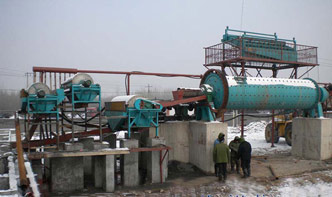
Q: Why use an inching drive instead of the main motor?
A: The main motor lacks precision for positioning, and sudden starts risk mechanical damage.
Q: Can inching drives replace barring gears?
A: Yes, modern inching systems are more efficient than manual barring but require power access.
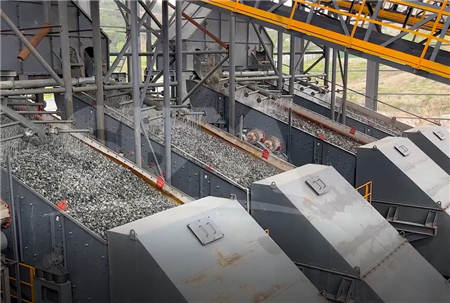
A quarry in Texas implemented an automated inching drive for its 4.5m ball mill, reducing liner replacement downtime by 40%. The system’s PLC integration allowed precise stops at designated angles, minimizing manual intervention.
Inching drives enhance ball mill reliability in aggregate and mining sectors. Proper execution of the procedure ensures equipment longevity and workforce safety. For optimal performance, align maintenance schedules with OEM recommendations.

