The Essential Role of Hoppers and Conditioners in Mining Equipment for Aggregate Production
The aggregate industry is the backbone of modern infrastructure, providing crushed stone, sand, and gravel for construction projects worldwide. Central to this process are mining equipment like hoppers and conditioners, which ensure efficient material handling and processing.
Aggregate production begins with extraction, followed by crushing, screening, and washing. Hoppers and conditioners play pivotal roles in optimizing these stages:
1. Hoppers:
– Vibrating Hoppers: Prevent material bridging with vibration mechanisms.
– Adjustable Gates: Allow operators to regulate feed rates dynamically.
– Wear Liners: Extend lifespan when handling abrasive materials like granite or basalt.
2. Conditioners:
– Log Washers: Utilize rotating shafts with paddles to scrub contaminants from aggregates.
– Water Recycling Systems: Reduce consumption by filtering and reusing process water.
Q: How to prevent hopper clogging?
A: Install vibrators or air cannons, optimize hopper angles (>60°), and use anti-stick liners.
Q: When is a conditioner necessary?
A: For sticky, clay-rich materials requiring washing to meet gradation specs (e.g., concrete sand).
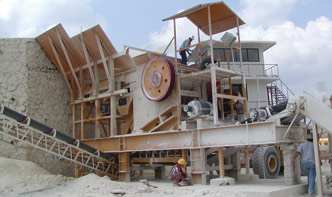
A quarry in Texas faced inefficiencies due to clay contamination in limestone feed. By integrating a log washer conditioner downstream of the primary hopper:
Hoppers and conditioners are unsung heroes in aggregate production, ensuring seamless material flow and quality control. Investing in robust designs tailored to feedstock characteristics can significantly boost plant efficiency and product consistency—key drivers in today’s competitive construction materials market.

