Stone Crushing Industry in West Bengal: An Overview
The stone crushing industry plays a pivotal role in West Bengal’s infrastructure and construction sectors. With rapid urbanization and increasing demand for roads, buildings, and bridges, the need for high-quality aggregates has surged. West Bengal, endowed with abundant natural resources like granite, basalt, and river gravel, hosts numerous stone quarries and crushing units, particularly in regions like Bankura, Purulia, and Birbhum.
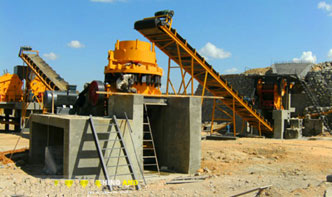
Modern stone crushing plants rely on advanced equipment such as:
Many units now adopt eco-friendly practices like dust suppression systems and water recycling to comply with environmental regulations.
1. Regulatory Compliance: Strict pollution norms require proper waste management and noise control measures.
2. Resource Depletion: Sustainable quarrying practices are essential to preserve raw materials.
3. Market Competition: Automation and energy-efficient machinery help reduce operational costs.
Q: What are the common applications of crushed stone?
A: Used in road base, concrete production, railway ballast, and drainage systems.
Q: How does West Bengal regulate stone crushers?
A: The State Pollution Control Board mandates consent under Air & Water Acts and enforces zoning laws near residential areas.
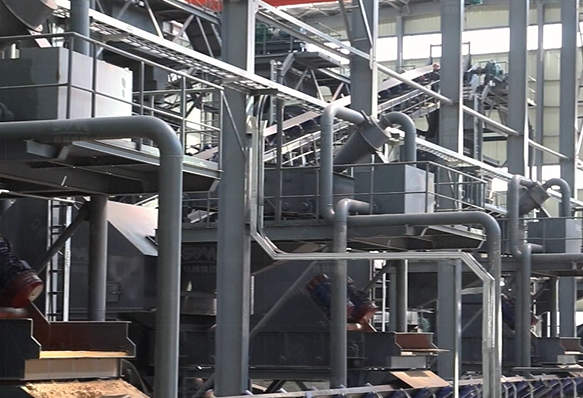
A recent project in Asansol utilized a 200 TPH mobile crushing plant to supply aggregates for highway construction, reducing transportation costs by processing onsite. The setup included a jaw crusher-primary screen-cone crusher configuration to meet MORT&H specifications efficiently.
As infrastructure development accelerates across West Bengal, the stone crushing industry must balance productivity with sustainability to support long-term growth while minimizing ecological impact.

