Gypsum Exploration and Mining Methods in the Aggregate Industry
Gypsum, a key mineral in construction and industrial applications, is widely used for cement production, drywall, and soil conditioning. The demand for high-quality gypsum has driven advancements in exploration and mining techniques, particularly in the aggregate and sand processing sector. Efficient extraction and processing of gypsum require specialized equipment, including crushers, grinders, and screening systems, to produce consistent particle sizes for downstream applications.
1. Geological Surveys: Remote sensing and core drilling help identify gypsum deposits.
2. Sampling & Analysis: Laboratory tests determine purity and suitability for industrial use.
3. Reserve Estimation: 3D modeling predicts deposit volume and quality.
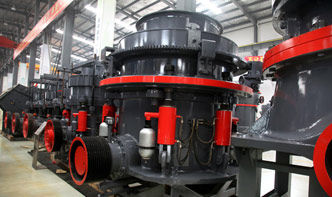
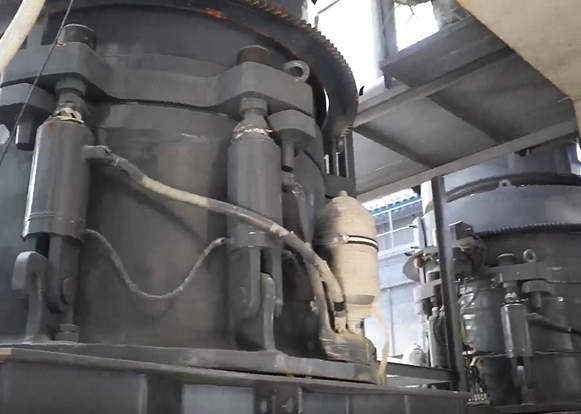
1. Primary Crushers: Jaw or impact crushers reduce large gypsum rocks into smaller fragments (50–150 mm).
2. Secondary Crushing & Grinding: Cone crushers or hammer mills further refine the material to 10–30 mm for drying or calcination.
3. Screening & Classification: Vibrating screens separate particles by size for product uniformity.
Q: What is the typical output size of processed gypsum?
A: Depending on application, final products range from coarse aggregates (5–20 mm) to fine powders (<100 mesh).
Q: Can recycled gypsum be reprocessed?
A: Yes, waste gypsum from construction can be crushed and reused in cement or agriculture after impurity removal.
A project in Texas utilized a mobile crushing plant to process gypsum from an open-pit mine, achieving 200 TPH throughput with minimal downtime. The setup included a jaw crusher for primary reduction and a cone crusher for secondary sizing, coupled with a dust suppression system to meet environmental regulations.
Gypsum mining and processing rely on robust equipment tailored to material properties and end-use requirements. Innovations in crushing technology continue to enhance efficiency while addressing environmental concerns—making it a critical segment of the aggregate industry’s growth.

