Crushing and Screening Plant Price: A Comprehensive Guide for the Aggregates Industry
The global demand for crushed stone, sand, and gravel continues to rise, driven by infrastructure development, urbanization, and construction projects. As a cornerstone of the aggregates industry, crushing and screening plants play a pivotal role in producing high-quality materials for roads, buildings, and other applications. Understanding the factors influencing crushing and screening plant prices is essential for businesses aiming to optimize their operations.
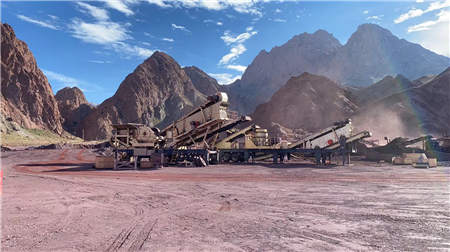
The aggregates market is projected to grow steadily, with Asia-Pacific and North America leading in consumption. Governments worldwide are investing in smart cities and transportation networks, further boosting demand. To meet these needs, efficient crushing and screening plants are critical for processing raw materials into usable sizes while minimizing waste.
1. Equipment Type:
– Jaw Crushers: Ideal for primary crushing; cost varies based on capacity (e.g., 50–1,500 TPH).
– Cone Crushers: Suited for secondary/tertiary crushing; higher precision but at a premium price.
– Impact Crushers: Versatile for soft to medium-hard materials; mid-range pricing.
– Screening Systems: Vibrating screens or trommels add 15–30% to total costs depending on complexity.
2. Production Capacity:
Small-scale plants (50–100 TPH) may cost $100,000–$500,000, while large-scale setups (300+ TPH) can exceed $2 million due to advanced automation and durability requirements.
3. Mobility:
Stationary plants are cheaper but lack flexibility. Mobile crushers (track/wheel-mounted) command a 20–40% premium but reduce logistical costs for multiple sites.
4. Material Hardness & Output Quality:
Harder materials (e.g., granite) require robust machinery with wear-resistant components, increasing upfront costs but lowering long-term maintenance expenses.
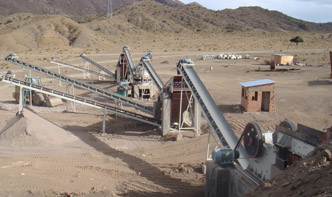
5. Regional Factors:
Labor costs, import duties, and local regulations (e.g., environmental compliance) significantly impact final pricing.
Q1: What’s the average lifespan of a crushing plant?
A well-maintained plant can last 15–20 years, with periodic part replacements (liners, bearings).
Q2: How to reduce operating costs?
Opt for energy-efficient motors, automated controls, and preventive maintenance schedules.
Q3: Are used plants a good option?
Yes, if inspected thoroughly—expect 30–50% cost savings but factor in potential refurbishment needs.
A limestone quarry upgraded to a 250 TPH mobile crushing plant (cone crusher + triple-deck screen), achieving a 25% production increase while reducing fuel costs by 18% via hybrid power options. ROI was realized within 2 years due to high local demand.
Investing in a crushing and screening plant requires balancing initial costs with long-term efficiency gains. Partnering with reputable manufacturers and tailoring solutions to specific material types ensures sustainable profitability in the competitive aggregates sector.

