Hammer Mill Specification and Its Role in the Aggregate Industry
The aggregate and sand production industry relies heavily on efficient crushing and grinding equipment to process raw materials into high-quality construction aggregates. Among the key machines used in this sector, the hammer mill stands out for its versatility and productivity. , a renowned manufacturer of industrial machinery, offers hammer mills designed for robust performance in mineral processing and aggregate applications.
The demand for crushed stone, sand, and gravel continues to grow with infrastructure development worldwide. Hammer mills play a critical role in secondary and tertiary crushing stages, particularly for medium-hard to soft materials like limestone, coal, and recycled concrete. Their ability to produce uniform particle sizes makes them ideal for producing aggregates that meet stringent construction standards.
’s hammer mills are engineered for high-capacity grinding with low energy consumption. Key specifications include:
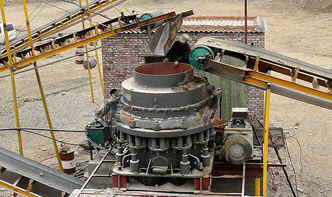
These mills are often integrated into aggregate plants alongside jaw crushers, cone crushers, and vibrating screens to ensure a seamless production line.
1. What materials can a hammer mill process?
It handles limestone, gypsum, coal, recycled aggregates, and other brittle materials.
2. How is maintenance managed?
Regular inspection of hammers, screens, and bearings is essential; designs allow quick part replacement.
3. Can it produce fine sand for concrete?
Yes, with proper screen selection, it can generate fine aggregates (0–5 mm).
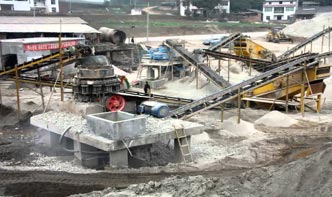
A quarry in Germany integrated a hammer mill into its existing crushing circuit to improve the quality of recycled concrete aggregates (RCA). The mill’s adjustable rotor speed allowed precise control over output gradation, meeting EN 12620 standards for road base materials while reducing waste by 20%.
hammer mills offer reliable performance in aggregate production with customizable specifications to match diverse operational needs. Their efficiency in size reduction and durability makes them a preferred choice for modern sand and gravel plants aiming for sustainable material processing.

