The Growing Demand for Hydraulic Concrete Crushers in the Aggregate Industry
The global construction and aggregate industry continues to expand, driven by urbanization, infrastructure development, and the need for sustainable material recycling. Central to this growth is the demand for efficient crushing equipment, particularly hydraulic concrete crushers. These machines play a pivotal role in recycling demolished concrete into reusable aggregates, reducing landfill waste and lowering project costs.
Hydraulic concrete crushers are designed for high-efficiency demolition and secondary crushing. Unlike traditional jaw crushers, they utilize hydraulic power to deliver precise force, making them ideal for processing reinforced concrete, asphalt, and other hard materials. Key advantages include:
1. Crushing Force & Capacity: Ensure the crusher matches your project scale (e.g., 20–50 tons/hour).
2. Jaw Design: Replaceable jaws with varying profiles optimize for different materials.
3. Carrier Compatibility: Verify compatibility with your existing machinery (excavator weight class).
4. Dust Suppression: Critical for compliance with environmental regulations.
Q: Can hydraulic crushers process reinforced concrete?
A: Yes—most models feature reinforced jaws and cutting blades to handle rebar embedded in concrete.
Q: What’s the typical output size?
A: Adjustable settings produce aggregates ranging from 20mm to 100mm, ideal for backfill or new concrete mixes.
Q: How does recycling concrete benefit projects?
A: Recycled aggregates reduce material costs by up to 30% and lower carbon emissions by minimizing quarrying needs.
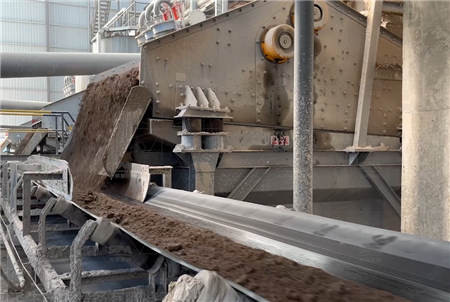
A contractor in Texas used a hydraulic crusher mounted on a 35-ton excavator to demolish an old parking garage. The crushed material was screened onsite and reused as base layer for a new residential complex, saving $150K in disposal fees and aggregate costs.
Investing in a hydraulic concrete crusher aligns with both economic and sustainability goals in modern construction. As regulations tighten around waste management, these machines will remain indispensable for contractors aiming to maximize efficiency while minimizing environmental impact. For buyers, evaluating operational requirements and long-term ROI is essential before selecting a model tailored to their needs.

