Crushing and Sand-Making Equipment in the Aggregate Industry
The global construction boom has driven unprecedented demand for high-quality sand and gravel aggregates. As natural sand reserves deplete, manufactured sand (M-Sand) produced by crushing equipment has become a sustainable alternative. This article explores key technologies in crushing and sand-making systems, their applications, and industry trends.
Aggregates are essential for infrastructure, accounting for ~80% of concrete volume. Strict grading standards require precise particle shape and size control, pushing advancements in crushing machinery. Modern plants prioritize energy efficiency, automation, and environmental compliance (e.g., dust suppression, noise reduction).
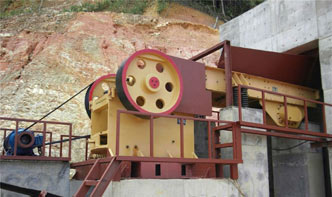
1. Jaw Crushers: Primary crushing for hard rocks (granite, basalt). Features high throughput but limited shaping capability.
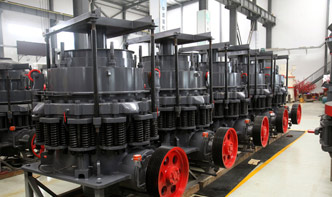
2. Cone Crushers: Secondary/tertiary crushing with better particle shape via laminated crushing. Ideal for abrasive ores.
3. Impact Crushers (VSI/HVI): Key for sand-making. Uses “rock-on-rock” or “rock-on-iron” principles to produce cubical grains with low flakiness.
4. Screens & Feeders: Ensure optimal sizing (e.g., 0-5mm for M-Sand). High-frequency screens improve efficiency.
A: Optimize crusher settings (CSS, speed) and adopt multi-stage screening.
A: VSI offers superior shaping but higher wear costs; HSI suits softer materials.
A: Water sprays, enclosed conveyors, and bag filters are common solutions.
A project in Texas replaced a traditional jaw-cone setup with a VSI-based system, increasing sand yield by 30% while reducing power consumption by 15%. Automated controls minimized manual adjustments, ensuring consistent output meeting ASTM C33 standards.
The shift toward precision crushing underscores the need for tailored solutions balancing cost, quality, and sustainability—a challenge driving innovation across the sector.(1598 characters)

