Bulb Crushing Regulations in Ireland and Their Impact on Aggregate Processing Equipment
Ireland’s waste management laws, particularly the Waste Management (Electrical and Electronic Equipment) Regulations, strictly regulate bulb crushing due to hazardous materials like mercury in fluorescent bulbs. While these laws primarily target lighting waste, their emphasis on safe disposal and recycling aligns with broader environmental standards affecting the aggregate and sand-making industry.
The construction sector relies heavily on sustainable practices, including recycling construction waste (e.g., concrete, bricks) into reusable aggregates. Though bulb crushing isn’t directly tied to aggregate processing, the regulatory framework underscores Ireland’s focus on:
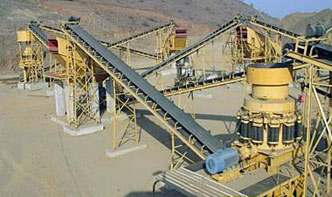
For sand/aggregate production, key machinery must comply with environmental and safety laws:
1. Jaw Crushers & Impact Crushers: Designed for hard materials (granite, basalt), often integrated with dust suppression systems.
2. Vertical Shaft Impactors (VSI): Produce high-quality manufactured sand while minimizing fines generation.
3. Screening Systems: Separate reusable aggregates from contaminants—critical for recycled construction waste.
Q: Can aggregate plants process glass (from crushed bulbs)?
A: Yes, but only after mercury removal. Glass cullet is occasionally used in secondary aggregates or filtration media.
Q: Are permits required for mobile crushing units?
A: In Ireland, mobile units often need EPA approval if processing >50 tons/day or handling contaminated material.
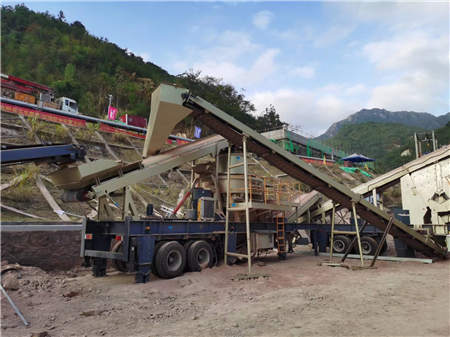
A 2022 project repurposed demolition waste into roadbase using a VSI crusher and air filtration system, achieving 90% landfill diversion—showcasing how bulb-crushing regulations inspire broader circular economy models.
Ireland’s stringent laws push the industry toward cleaner technologies, ensuring compliance while maximizing resource recovery—a template for sustainable aggregate processing globally.

