The Role of Conveyor Systems in Garnet Loading for Sand and Aggregate Processing
The sand and aggregate industry is a cornerstone of construction and infrastructure development, providing essential materials for concrete, asphalt, and road bases. Among the critical minerals processed in this sector, garnet stands out for its hardness and abrasive properties, making it valuable for waterjet cutting, filtration, and surface preparation. Efficient handling of garnet—from crushing to loading—requires robust conveyor systems tailored to its abrasive nature.
Garnet is typically mined as a heavy mineral and processed through crushing, screening, and washing to achieve uniform particle sizes. Given its density (3.5–4.3 g/cm³) and sharp edges, traditional belt conveyors face accelerated wear. Modern processing plants now integrate specialized conveyor designs with abrasion-resistant linings, reinforced belts, and impact-resistant idlers to minimize downtime.
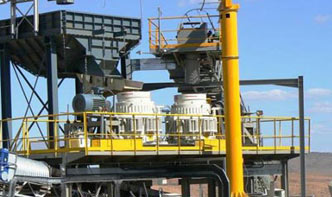
1. Abrasion-Resistant Materials: High-quality rubber or polyurethane belts with ceramic lagging extend service life.
2. Enclosed Designs: Prevent dust emissions and spillage, complying with environmental regulations.
3. Variable Speed Drives: Allow precise control over feed rates to match downstream processes like screening or storage silo filling.
4. Magnetic Separators: Often integrated to remove tramp metal before garnet reaches final packaging or shipment.
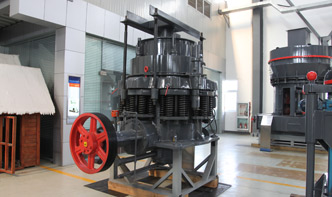
A: Use reinforced belts with ceramic pulleys and regular maintenance schedules for tracking adjustment.
A: Only short-term; customized systems with hardened components are recommended for long-term efficiency.
A garnet processing plant in Australia upgraded its loading system with an enclosed steel-belt conveyor featuring tungsten-coated scrapers. This reduced maintenance costs by 40% and increased throughput by 15%, demonstrating the ROI of purpose-built solutions.
For abrasive materials like garnet, investing in durable conveyor systems ensures operational continuity and cost savings—key priorities in the competitive sand and aggregate sector. Innovations in material science continue to drive efficiency gains across loading and transportation stages.

