Limestone Crusher Plant in Malaysia: A Comprehensive Overview
Malaysia’s construction and infrastructure sectors are experiencing rapid growth, driving demand for high-quality aggregates like crushed limestone. Limestone, a key raw material for cement production and road base construction, requires efficient crushing and screening to meet industry standards. Crusher plants play a pivotal role in transforming raw limestone into usable aggregates, supporting projects ranging from highways to commercial buildings.
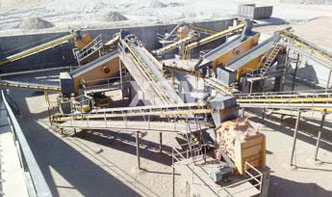
A typical limestone crushing plant in Malaysia includes:
1. Primary Crusher: Often a jaw crusher or gyratory crusher to break large limestone blocks into smaller pieces.
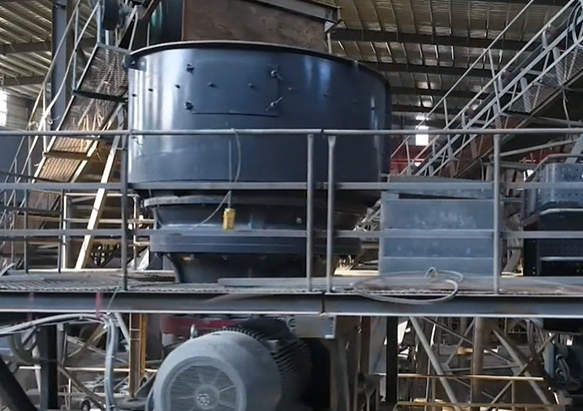
2. Secondary Crusher: Cone crushers or impact crushers refine the material further for uniformity.
3. Screening System: Vibrating screens separate crushed limestone into different sizes (e.g., 0-5mm, 5-20mm).
4. Conveyors & Storage: Belt conveyors transport materials between stages, while silos or stockpiles store finished products.
Modern plants also integrate dust suppression systems and automation for higher efficiency and environmental compliance.
Q1: What are the common applications of crushed limestone?
A: Used in concrete production, road base layers, and as a soil stabilizer.
Q2: How to maintain a limestone crusher plant?
A: Regular inspection of wear parts (e.g., liners, hammers), lubrication, and dust control are critical.
Q3: What’s the typical lifespan of crusher equipment?
A: With proper maintenance, primary crushers last 10-15 years; secondary crushers may require part replacements sooner.
A recent project in Ipoh involved installing a 200 TPH plant with a jaw crusher (primary) and cone crusher (secondary). The setup achieved 95% efficiency in producing 0-20mm aggregates for local road construction, reducing reliance on imported materials.
Investing in a well-designed limestone crusher plant ensures sustainable aggregate supply for Malaysia’s booming construction industry. By optimizing equipment selection and adhering to environmental standards, operators can maximize productivity while minimizing operational costs.

