Gravel Pump Mining in Malaysia: A Comprehensive Overview
Malaysia’s construction and infrastructure sectors are experiencing rapid growth, driving demand for high-quality sand and gravel. Gravel pump mining is a widely adopted method due to its efficiency in extracting alluvial deposits, particularly in regions like Perak, Selangor, and Pahang. This technique involves using powerful pumps to transport gravel-laden water to processing plants, where it is screened, washed, and crushed into usable aggregates.
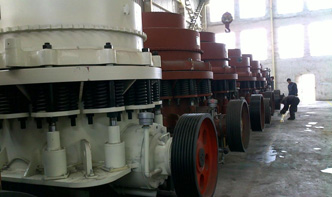
1. Gravel Pumps: High-head centrifugal pumps are essential for lifting slurry from mining pits. Brands like Warman and Weir Minerals dominate the market due to their durability in abrasive conditions.
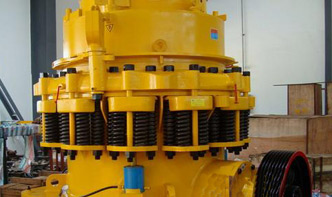
2. Crushing & Screening Plants: Mobile or stationary crushers (e.g., jaw crushers, cone crushers) break down large gravel into smaller fractions, while vibrating screens classify particles by size.
3. Sand Washing Systems: Spiral classifiers or log washers remove clay and impurities, ensuring product quality meets ASTM or MS standards.
Q: What permits are required for gravel pump mining in Malaysia?
A: Operators need approval from the Mineral and Geoscience Department (JMG), including a Mining License (ML) and Environmental Impact Assessment (EIA).
Q: How to mitigate environmental concerns?
A: Implement sediment ponds, revegetation plans, and monitor water discharge quality regularly.
A Malaysian contractor utilized a 200-ton/hour gravel pump system paired with a modular crushing plant to supply aggregates for a highway construction project. By optimizing pump efficiency and recycling 90% of process water, the operation reduced waste and achieved consistent gradation compliance.
Gravel pump mining remains pivotal for Malaysia’s aggregate supply chain. Investing in robust equipment and sustainable practices ensures long-term viability amid tightening regulations and rising demand.

