Designing an Efficient Copper Flotation Beneficiation Plant: Key Considerations
The copper flotation beneficiation process is critical for extracting high-grade copper concentrates from low-grade ores. With increasing global demand for copper in electronics, construction, and renewable energy sectors, optimizing plant design ensures economic viability and environmental sustainability.
Copper ore typically contains chalcopyrite, bornite, or chalcocite, often mixed with gangue minerals like quartz and pyrite. Froth flotation remains the dominant method for separating copper sulfides from waste material due to its cost-effectiveness and high recovery rates. A well-designed beneficiation plant maximizes mineral recovery while minimizing energy and reagent consumption.
1. Crushing & Grinding Circuit
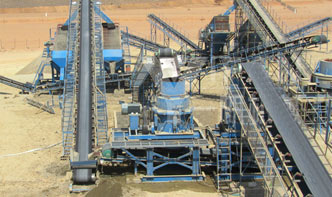
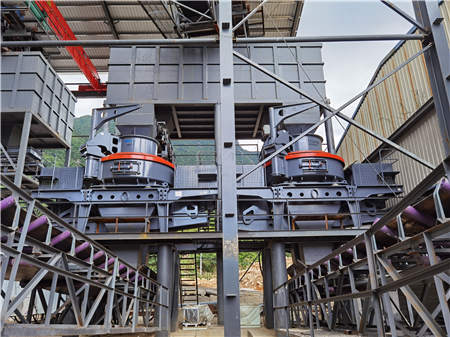
– Primary crushing (jaw or gyratory crushers) reduces ore size to ~150 mm.
– Secondary/tertiary crushing (cone crushers) and ball mills grind ore to 75–150 µm for optimal liberation.
2. Flotation Circuit
– Rougher Flotation: Initial separation using collectors (xanthates) and frothers (MIBC).
– Scavenger Flotation: Recovers residual copper from tailings.
– Cleaner Flotation: Upgrades concentrate by removing impurities through multiple stages.
3. Tailings Management
– Thickeners and filters dewater tailings for dry stacking or safe storage in ponds.
4. Automation & Control Systems
– Advanced sensors and AI-driven adjustments optimize reagent dosing and froth stability.
Q: What’s the ideal particle size for flotation?
A: 75–150 µm ensures adequate mineral liberation without excessive slimes hindering recovery.
Q: How to reduce environmental impact?
A: Use dry tailings disposal, water recycling systems, and eco-friendly reagents like biocollectors.
A Chilean copper mine improved recovery by 5% after retrofitting its flotation circuit with column cells and automated pH control, reducing lime consumption by 15%.
A successful copper flotation plant balances ore variability, equipment selection, and sustainability. Partnering with experienced engineers ensures compliance with operational and regulatory standards while maximizing ROI.

