The Comprehensive Guide to REMA Ball Mills in Aggregate Processing
The aggregates and sand production industry relies heavily on robust grinding equipment to achieve optimal particle size reduction. Among the key players, REMA ball mills stand out for their precision engineering and adaptability to hard rock crushing applications.
Global demand for high-quality sand and aggregates has surged due to urbanization and infrastructure projects. Ball mills are critical for producing finely ground materials used in concrete, asphalt, and railway ballast. Unlike conventional crushers, ball mills utilize steel balls to pulverize raw feed via rotational force, ensuring uniform gradation—a necessity for ASTM/EN-compliant construction materials.
1. Design & Capacity:
– Cylindrical shell with abrasion-resistant liners (high-chrome steel or rubber).
– Available in batch/continuous models (5–200 TPH throughput).
– Motor power: 15–3,500 kW, adjustable RPM for wet/dry grinding.
2. Particle Control:
– Output range: 45–250 microns (adjustable via discharge grate design).
– Optional classifiers for ultra-fine products (<75 µm).
3. Durability Features:
– Heavy-duty bearings and gearbox (ISO 9001-certified).
– Automated lubrication systems to reduce downtime.
Q: How does a ball mill compare to vertical shaft impactors (VSIs)?
A: While VSIs excel in shaping aggregates, ball mills ensure finer grinding for specialized applications like mineral filler production.
Q: What maintenance is required?
A: Routine checks include liner wear inspection (every 1,000 hrs) and ball charge replenishment (5–10% annual consumption).
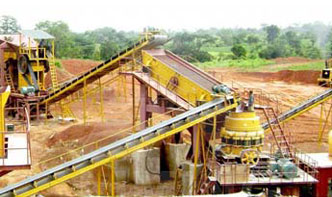
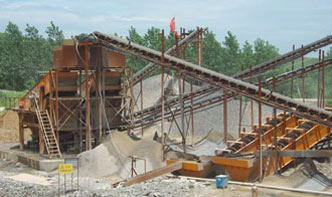
A quarry in Texas upgraded to a REMA Φ3.2×4.5m ball mill to process granite tailings into manufactured sand (0–3mm). The result:
REMA’s ball mills offer a balance of efficiency and longevity, addressing the aggregates industry’s need for scalable fine grinding solutions. Custom configurations ensure compatibility with limestone, basalt, or recycled concrete feedstocks—making them a cornerstone of modern mineral processing plants.
(Note: For detailed spec sheets, consult REMA’s technical documentation or request site-specific testing.)

