The Crushing and Sand-Making Equipment Industry: A Comprehensive Overview
The global demand for high-quality sand and aggregates has surged due to rapid urbanization and infrastructure development. As natural sand reserves deplete, manufactured sand (M-Sand) produced by crushing and sand-making equipment has become a sustainable alternative. This industry plays a pivotal role in construction, mining, and quarrying sectors, ensuring efficient resource utilization and environmental compliance.
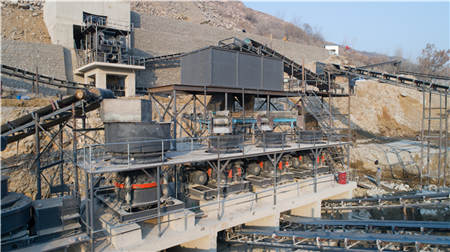
1. Jaw Crushers: Primary crushing machines designed to reduce large rocks into smaller fragments. Ideal for hard and abrasive materials.
2. Cone Crushers: Secondary or tertiary crushers offering fine crushing with high efficiency and low operational costs.
3. Impact Crushers: Versatile machines for producing cubical-shaped aggregates, suitable for both soft and medium-hard materials.
4. Sand Makers (VSI Crushers): Key equipment for producing high-quality M-Sand with optimal gradation and particle shape, mimicking natural sand.
5. Vibrating Screens & Feeders: Essential for classifying and feeding raw materials into the crushing circuit.
Q1: What is the difference between natural sand and M-Sand?
A: M-Sand is manufactured by crushing rocks, offering consistent quality, better strength, and reduced silt content compared to natural sand.
Q2: How to choose the right crusher for a project?
A: Factors like material hardness, required output size, production capacity, and site conditions determine the selection of jaw, cone, or impact crushers.
Q3: What maintenance practices extend equipment lifespan?
A: Regular lubrication, wear-part inspections, and timely replacement of vulnerable components (e.g., blow bars, liners) are critical.
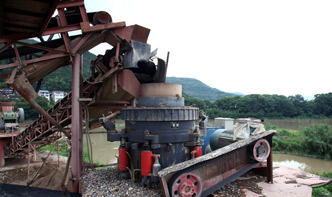
A highway construction project in Hoshiarpur utilized a 200 TPH VSI sand-making plant to produce M-Sand from locally sourced basalt rock. The setup included a jaw crusher for primary crushing, a cone crusher for secondary processing, and a VSI crusher for final shaping. The project achieved 30% cost savings over natural sand procurement while meeting IS 383 standards for concrete-grade sand.
The industry is shifting toward smart crushing plants integrated with IoT for real-time monitoring and predictive maintenance. Additionally, hybrid power solutions (solar-diesel) are gaining traction in remote mining operations to reduce carbon footprints.
By adopting advanced crushing technologies, stakeholders can ensure sustainable aggregate production while addressing the growing demands of global infrastructure development.

