The Aggregate Industry: Crushing, Screening, and Sustainable Solutions
The global construction boom has driven unprecedented demand for high-quality sand and gravel, making the aggregate industry a cornerstone of infrastructure development. Crushing and screening equipment plays a pivotal role in producing construction-grade materials, ensuring efficiency, sustainability, and cost-effectiveness.
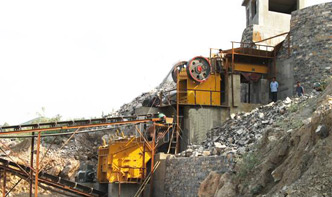
Aggregates—crushed stone, sand, and gravel—are essential for concrete, asphalt, and road base construction. With urbanization accelerating worldwide, the need for advanced crushing and screening solutions has grown. Key challenges include optimizing production efficiency, reducing environmental impact, and recycling construction waste.
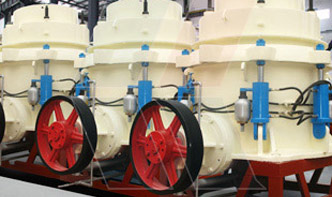
1. Jaw Crushers: Primary crushing for hard rocks like granite and basalt.
2. Cone Crushers: Secondary/tertiary crushing to achieve finer output.
3. Impact Crushers: Ideal for softer materials (limestone, recycled concrete).
4. Vibrating Screens: Classify aggregates by size for precise grading.
5. Mobile Crushers: On-site processing reduces transportation costs.
Modern systems integrate automation (e.g., IoT sensors) to monitor wear parts and optimize throughput while minimizing downtime.
Recycled concrete aggregates (RCA) are gaining traction as governments enforce stricter waste regulations. Advanced crushers can process demolition waste into reusable materials, lowering landfill dependence and raw material consumption.
Q: What’s the typical output size range for aggregates?
A: Varies by application—coarse aggregates (20–40mm) for concrete, fine aggregates (<5mm) for plastering.
Q: How to reduce dust in crushing plants?
A: Use water sprays, enclosed conveyors, or dust suppression systems.
Q: Can old asphalt be recycled?
A: Yes—mobile impact crushers process asphalt into RCA for road bases.
A quarry in Texas upgraded to a 300t/h mobile crushing plant, reducing fuel use by 25% via hybrid power and increasing recycled material output by 40%. The system’s modular design allowed quick relocation between sites.
By adopting innovative crushing technologies, the industry can balance productivity with environmental responsibility—meeting global demand sustainably.

