Manganese in Gator Jaw Crushers: Enhancing Durability and Performance
The aggregates and mining industries rely heavily on robust crushing equipment to process hard materials like granite, basalt, and iron ore. Among the critical components of jaw crushers, manganese steel plays a pivotal role in ensuring longevity and operational efficiency. Gator Jaw Crushers, a prominent name in the sector, utilize high-quality manganese liners to withstand extreme abrasion and impact forces.
Manganese steel (typically 12-14% Mn) is renowned for its work-hardening properties. As the crusher jaws compress feed material, the manganese surfaces harden under repeated stress, forming a wear-resistant layer that prolongs service life. Gator’s jaw crushers incorporate replaceable manganese cheek plates and fixed/swing jaws, engineered for easy maintenance and cost-effective operation.
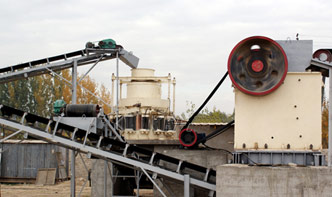
1. Optimized Wear Resistance: Premium-grade manganese liners reduce downtime by enduring abrasive conditions.
2. Customizable Configurations: Available in multiple sizes (e.g., PE, PEX series) to match production demands.
3. Efficient Crushing Geometry: Deep crushing chambers and aggressive nip angles enhance throughput while minimizing energy consumption.
Q: How often should manganese jaws be replaced?
A: Lifespan depends on feed material hardness (e.g., 200–500 hours for granite). Regular inspections are recommended.
Q: Can Gator crushers handle recycled concrete?
A: Yes, but abrasive content may accelerate wear—consider hardened manganese or ceramic inserts for severe duty.
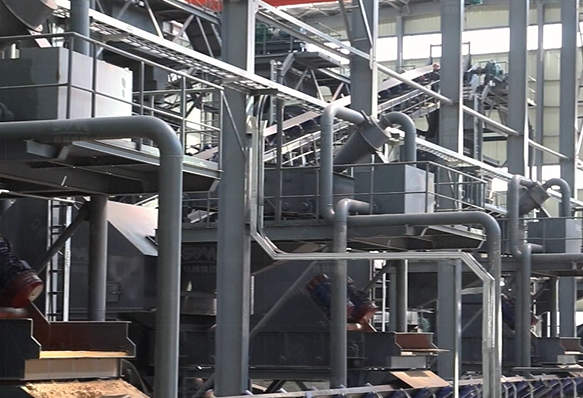
A Texas-based aggregate producer deployed a Gator PE3042 jaw crusher with Mn-14 liners to process limestone. Despite high silica content (>25%), the liners lasted 40% longer than standard options, reducing replacement costs by $15,000 annually.
Gator Jaw Crushers leverage manganese’s superior durability to deliver reliable performance in demanding environments. By prioritizing material science and design innovation, they remain a preferred choice for operators seeking efficiency and low total cost of ownership. For optimal results, pair proper liner selection with routine maintenance protocols.

