The Evolution of Crushing and Sand-Making Equipment in the Aggregate Industry
The global construction boom has driven unprecedented demand for high-quality sand and aggregates, making crushing and sand-making equipment indispensable in modern infrastructure projects. As urbanization accelerates, the need for efficient, durable, and eco-friendly solutions has reshaped the industry, with manufacturers like [Your Company Name] leading innovation in plaster pulverizers and related machinery.
Aggregates form the backbone of construction, accounting for over 80% of concrete and asphalt mixtures. Traditional methods of quarrying and crushing often result in uneven particle distribution, excessive dust, and high energy consumption. Modern pulverizers address these challenges by integrating advanced technologies such as hydraulic adjustment, multi-stage crushing, and intelligent control systems.
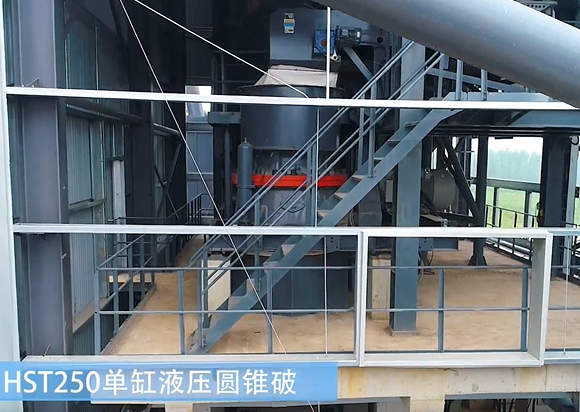
A plaster pulverizer is designed to break down gypsum or similar materials into fine powders for construction or industrial use. Key features include:
1. Construction: Produces fine plaster powder for drywall and cement additives.
2. Recycling: Processes waste gypsum boards into reusable materials.
3. Mining: Prepares raw gypsum for further refinement in industrial applications.
Q1: How does a plaster pulverizer differ from a standard hammer crusher?
A: Unlike hammer crushers, pulverizers use precision grinding plates and controlled airflow to achieve finer outputs with lower dust emission.
Q2: What maintenance is required?
A: Regular inspection of wear parts (e.g., hammers, liners) and lubrication of bearings are critical. Automated monitoring systems can predict failures.
Q3: Can it handle wet materials?
A: Most models require dry input to prevent clogging, though some variants include heating elements for moisture-heavy feedstock.
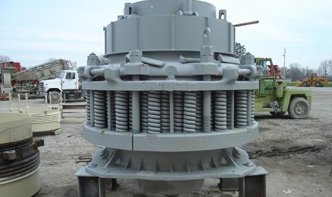
A European contractor deployed our pulverizer to recycle 50 tons/hour of demolition waste into ASTM-compliant plaster powder, reducing landfill dependency by 70%. The system’s low-noise design also minimized community disruption during urban redevelopment.
The industry is shifting toward electrification and AI-driven optimization. Hybrid power systems and real-time particle analysis are expected to dominate next-gen pulverizers, aligning with global carbon-neutral goals.
By investing in cutting-edge technology, manufacturers can deliver not just equipment, but turnkey solutions for a greener built environment.

