The Crushing and Sand-Making Equipment Industry: A Comprehensive Overview
The global demand for high-quality sand and aggregates continues to rise, driven by infrastructure development, urbanization, and construction activities. Crushing and sand-making equipment plays a pivotal role in producing manufactured sand (M-Sand) and recycled aggregates, offering a sustainable alternative to natural resources. With stricter environmental regulations and the need for efficient material processing, the industry is shifting toward advanced, energy-efficient machinery.
1. Jaw Crushers – Primary crushing machines designed to reduce large rocks into smaller fragments. Ideal for hard and abrasive materials.
2. Cone Crushers – Secondary or tertiary crushers that deliver finer output with high precision, suitable for producing uniform aggregates.
3. Impact Crushers (VSI & HSI) – Vertical Shaft Impactors (VSI) are key for shaping cubical sand particles, while Horizontal Shaft Impactors (HSI) excel in softer materials like limestone.
4. Sand Making Machines – Specialized equipment that refines crushed material into high-quality M-Sand with adjustable gradation.
5. Screening & Washing Systems – Ensure proper sizing and remove impurities, enhancing product quality for concrete and asphalt applications.
Q: What is the advantage of M-Sand over natural sand?
A: M-Sand offers consistent gradation, lower impurity levels, and reduced environmental impact from riverbed mining.
Q: How to mitigate dust pollution in crushing plants?
A: Use enclosed systems, water sprays, or bag filters alongside proper ventilation design.
Q: Can recycled concrete be processed into usable aggregates?
A: Yes, mobile impact crushers efficiently process demolition waste into recycled concrete aggregate (RCA) for new construction.
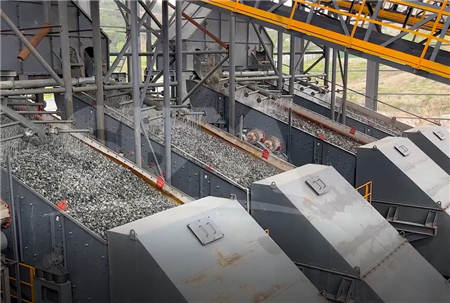
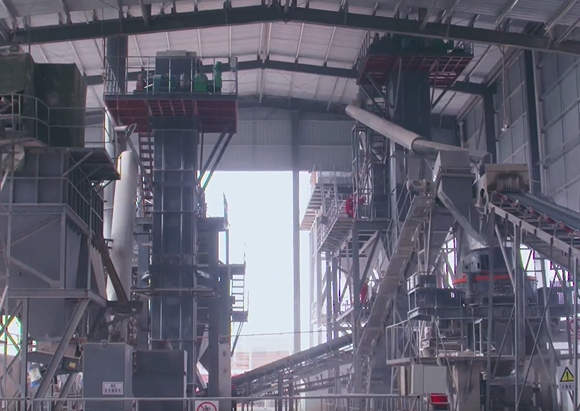
A Southeast Asian city adopted a 200 TPH VSI-based sand-making plant to support its metro construction. The system processed granite waste into premium M-Sand, reducing reliance on river sand by 40%. Automated screening ensured compliance with ASTM C33 standards, while dust suppression systems met local environmental codes.
The industry is moving toward smart crushing plants with AI-driven optimization and low-carbon footprint designs. Hybrid power solutions (solar + electric) and modular portable units are gaining traction for remote projects.
By investing in the right technology, producers can achieve higher profitability while contributing to sustainable resource management.

