Feasibility Study for Stone Crusher in Mining and Aggregate Industry
Industry Background
The global demand for crushed stone and sand continues to rise, driven by infrastructure development, urbanization, and construction activities. Stone crushers play a pivotal role in mining and aggregate production, transforming raw materials into usable aggregates for concrete, road base, and other applications. With stricter environmental regulations and the need for cost-effective solutions, conducting a feasibility study for a stone crusher project is critical to ensure profitability and sustainability.
Core Considerations for Feasibility
1. Resource Availability: Assess the quality, quantity, and accessibility of raw materials (e.g., limestone, granite). Geological surveys are essential to determine reserves and mining viability.
2. Market Demand: Analyze local and regional demand for aggregates. Proximity to construction hubs reduces transportation costs.
3. Regulatory Compliance: Permits for quarrying, environmental impact assessments (EIA), and noise/dust control measures must be addressed.
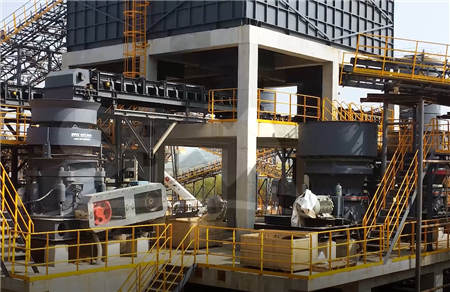
4. Equipment Selection: Choose crushers (jaw, cone, impact) based on material hardness, required output size, and production capacity (e.g., 50–500 TPH). Mobile crushers offer flexibility for remote sites.
5. Economic Viability: Calculate capital expenditure (CAPEX), operational costs (fuel, labor, maintenance), and ROI. Consider lifecycle costs and potential subsidies.
Common FAQs
Jaw or cone crushers are ideal for high-abrasion materials like basalt or granite.
Use water sprays, dust suppression systems, or enclosed crushing chambers.
Ranges from 2–5 years depending on scale and market conditions.
Project Case Example
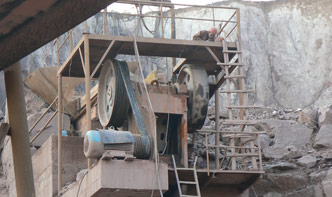
A quarry in Texas implemented a 200 TPH mobile impact crusher to process limestone. By leveraging modular design and on-site crushing, transportation costs dropped by 30%, achieving ROI within 3 years while complying with EPA standards.
Conclusion
A well-executed feasibility study balances technical, economic, and environmental factors to ensure long-term success in stone crushing operations. Strategic planning minimizes risks while maximizing efficiency in the competitive aggregates market.

