Crushing Aggregate in Africa: Industry Insights and Solutions
The African construction industry is experiencing rapid growth, driven by urbanization, infrastructure development, and mining activities. As demand for high-quality aggregates surges, crushing and screening equipment plays a pivotal role in producing materials for roads, buildings, and concrete. However, challenges like limited infrastructure, harsh operating conditions, and cost constraints require robust and adaptable solutions.
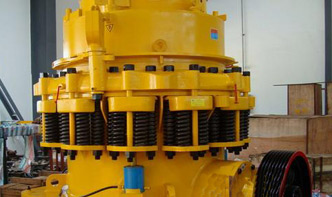
1. Jaw Crushers: Ideal for primary crushing of hard rocks like granite and basalt. Models with high throughput and low maintenance are preferred in remote African sites.
2. Cone Crushers: Used for secondary/tertiary crushing to produce finely graded aggregates. Hydraulic systems enhance efficiency and reduce downtime.
3. Impact Crushers: Suitable for softer materials (e.g., limestone) or recycling applications, offering cubical-shaped output.
4. Mobile Crushers & Screens: Flexible solutions for temporary sites or regions with poor road access. Solar-powered options are gaining traction to offset energy shortages.
Q: How to choose between fixed and mobile crushing plants?
A: Fixed plants suit large-scale, long-term projects (e.g., quarries), while mobile units are optimal for scattered or short-term sites.
Q: What’s the typical output size range?
A: Varies by crusher type—primary jaws produce 150–300 mm, cones yield 20–50 mm, and impact crushers achieve <20 mm for sand-making.
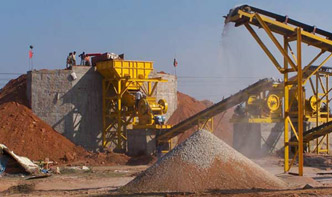
A Kenyan contractor deployed a 200 tph mobile jaw-cone combo to supply aggregates for a highway project. The setup reduced transport costs by processing on-site and adapted to fluctuating demand with quick relocation.
By investing in tailored crushing solutions, African operators can overcome logistical hurdles and meet the continent’s growing infrastructure needs efficiently.

