The Operation of Crusher Plants in the Aggregate Industry
The aggregate industry plays a vital role in construction, providing essential materials like sand, gravel, and crushed stone for infrastructure projects. Crusher plants are at the heart of this industry, transforming raw rock into usable aggregates through a series of mechanical processes.
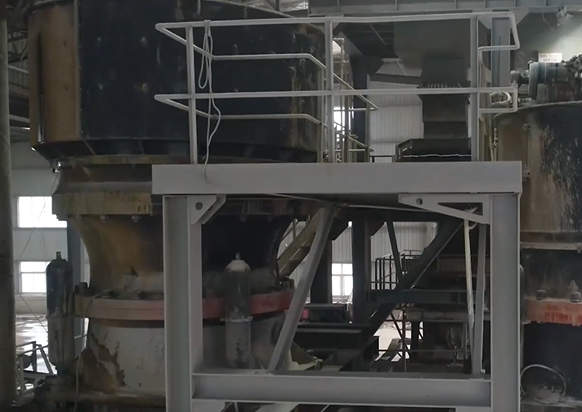
Crusher plants consist of several key components:
1. Primary Crushing: Large rocks are fed into a primary crusher (e.g., jaw crusher or gyratory crusher) to reduce their size. This stage breaks down the material into manageable pieces.
2. Secondary & Tertiary Crushing: Further reduction is achieved using cone crushers or impact crushers, producing finer aggregates for specific applications.
3. Screening: Vibrating screens separate crushed material into different sizes, ensuring uniformity and quality.
4. Conveying Systems: Belts transport materials between stages, optimizing efficiency and minimizing manual handling.
5. Washing & Sorting (Optional): Some plants include sand washers or classifiers to remove impurities and improve product quality.
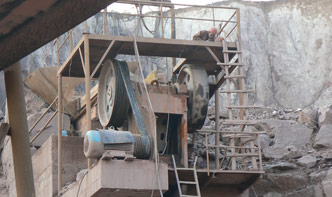
1. What’s the difference between jaw and cone crushers?
– Jaw crushers are ideal for primary crushing, while cone crushers provide finer secondary/tertiary crushing.
2. How to improve aggregate shape?
– Using vertical shaft impactors (VSIs) enhances cubical particle formation for high-quality concrete mixes.
3. What are common challenges in crushing?
– Wear part replacement, uneven feed distribution, and dust control are frequent operational hurdles.
A quarry in Texas upgraded its plant with a multi-stage crushing system (jaw + cone + VSI), increasing production by 30% while reducing energy costs through automated controls. The new setup also improved aggregate shape for premium concrete applications.
By optimizing design and maintenance, crusher plants can deliver high-quality aggregates efficiently, supporting sustainable construction growth worldwide.

