Electric Motors for Coal Crushers: Powering Efficiency in Aggregate Processing
The aggregate and sand processing industry relies heavily on robust equipment to handle raw materials like coal, limestone, and granite. Coal crushers, a critical component in this chain, demand high-torque, durable electric motors to ensure consistent performance under heavy loads. This article explores the role of electric motors in coal crushers, key selection criteria, and real-world applications.
Coal crushers are essential in mining, thermal power plants, and cement production, where raw coal must be reduced to smaller sizes for further processing. The efficiency of these crushers hinges on the electric motor’s ability to deliver reliable power while withstanding harsh conditions like dust, moisture, and continuous operation.
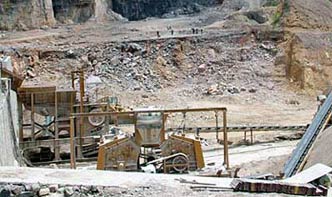
1. High Starting Torque: Coal crushers often encounter jams or uneven feed; motors must provide sufficient torque to overcome initial resistance.
2. Durability: Motors should feature IP65/66 protection against dust and moisture, with heat-resistant insulation (Class F or H).
3. Energy Efficiency: IE3 or IE4-rated motors reduce operational costs and align with sustainability goals.
4. Variable Speed Capability: Crushers benefit from adjustable speed drives (ASDs) to optimize output for varying material hardness.
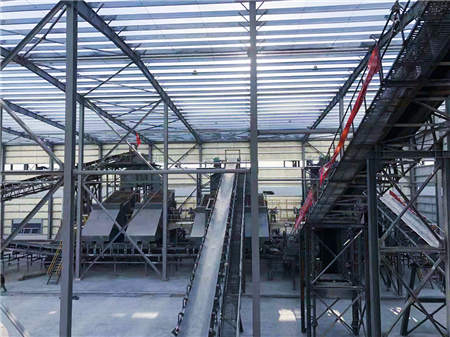
Q: How to prevent motor overheating in coal crushers?
A: Ensure proper ventilation, use motors with thermal protection (PTC sensors), and avoid overloading. Regular maintenance of cooling fins is critical.
Q: What motor power is suitable for a 500 TPH coal crusher?
A: Typically 200–300 kW, but consult the crusher manufacturer’s guidelines based on material hardness and feed size.
A Chinese cement plant replaced outdated motors with IE4-rated units for their coal crushers, achieving:
Selecting the right electric motor for coal crushers balances performance, durability, and energy efficiency. With advancements in motor technology, operators can significantly improve productivity while cutting costs—a win for both profitability and sustainability in the aggregates sector.

