Basalt Quarrying in Dubai Jumeirah: Crushing and Sand-Making Solutions
The construction boom in Dubai, particularly in areas like Jumeirah, has driven high demand for high-quality aggregates. Basalt, a hard and dense volcanic rock, is widely quarried in the region due to its durability and suitability for infrastructure projects. To meet the stringent requirements of modern construction, advanced crushing and sand-making equipment plays a pivotal role in processing basalt into premium aggregates.
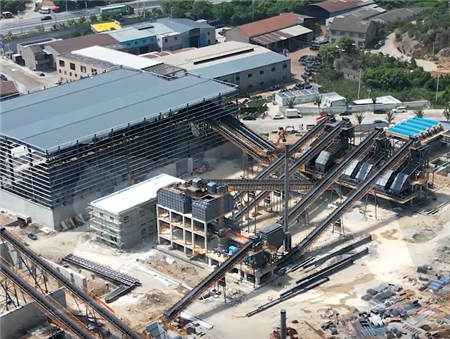
Dubai’s rapid urbanization demands robust materials for roads, bridges, and high-rises. Basalt’s high compressive strength (often exceeding 300 MPa) makes it ideal but challenging to process. Traditional jaw crushers and cone crushers are commonly used for primary and secondary crushing, while vertical shaft impactors (VSIs) or sand-making machines refine the output into well-graded manufactured sand (M-sand).
1. Primary Crushing: Heavy-duty jaw crushers (e.g., 600×900 mm feed opening) reduce large basalt blocks (<800 mm) to ~150 mm.
2. Secondary Crushing: Multi-cylinder hydraulic cone crushers ensure finer output (~20–50 mm) with low wear costs.
3. Tertiary Shaping: VSIs optimize particle shape for concrete mixes, producing 0–5 mm M-sand with <15% flakiness.
4. Screening & Washing: High-frequency screens remove fines, while sand washers enhance purity by eliminating clay residues.
A: Basalt offers superior abrasion resistance, critical for high-traffic pavements and marine structures prone to erosion.
A: Closed-loop systems with water sprays or bag filters comply with Dubai’s strict environmental regulations.
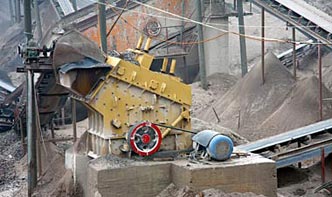
A local quarry supplied 500K tons of basalt aggregates using a three-stage crushing circuit (jaw + cone + VSI). The M-sand met BS EN 12620 standards, reducing cement consumption by 12% due to optimal gradation. Modular plant design allowed quick relocation to minimize transport costs.
Efficient basalt processing hinges on selecting tailored crushing stages and sand-making technology. With Dubai’s focus on sustainable construction, investing in automated, low-wear equipment ensures long-term profitability while adhering to green benchmarks.

