The Crushing and Sand-Making Equipment Industry: A Comprehensive Overview
The global demand for high-quality sand and aggregates continues to rise, driven by infrastructure development, urbanization, and construction projects. As natural sand reserves deplete, manufactured sand (M-Sand) produced by crushing and sand-making equipment has become a sustainable alternative. This article explores the industry’s background, core equipment, FAQs, and real-world applications.
Sand and aggregates are essential raw materials for concrete, asphalt, and road construction. Traditional mining of river sand has led to environmental degradation, prompting stricter regulations worldwide. Crushing and sand-making equipment offers an eco-friendly solution by processing hard rocks (granite, basalt) or construction waste into graded aggregates and M-Sand with optimized particle shapes.
1. Jaw Crushers: Primary crushing machines for coarse reduction of large rocks.
2. Cone Crushers: Secondary crushers delivering finer output for high-quality aggregates.
3. Impact Crushers: Versatile units for shaping cubical particles (critical for concrete strength).
4. Vertical Shaft Impactors (VSI): Key sand-making machines producing well-graded M-Sand with low flakiness.
5. Screening & Washing Systems: Ensure precise grading and remove impurities like clay or dust.
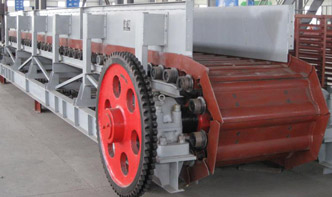
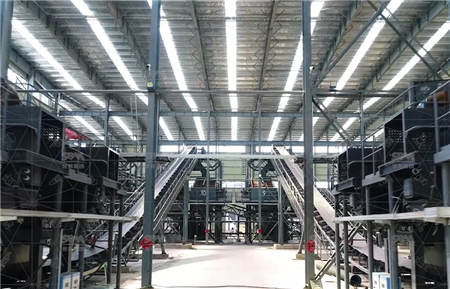
Q1: What’s the typical production capacity of a sand-making plant?
A: Ranges from 50–500 TPH, depending on crusher configuration and raw material hardness.
Q2: How does M-Sand compare to river sand in concrete workability?
A: Properly processed M-Sand matches river sand’s performance; admixtures can adjust slump if needed.
Q3: Can recycled concrete be used as feed material?
A: Yes—advanced crushers process demolition waste into reusable aggregates, aligning with circular economy goals.
A contractor in Scotland deployed a 200-TPH mobile crushing plant to process local basalt into aggregates and M-Sand for a highway expansion. The setup included a jaw crusher, cone crusher, VSI, and triple-deck screen, reducing haulage costs by 30% versus imported materials. The project achieved LEED certification due to low carbon emissions from on-site processing.
Crushing and sand-making technology is pivotal for sustainable construction growth—balancing economic viability with environmental responsibility—while meeting stringent quality standards globally.