The Z Process for Granite Stone Crushing: A Comprehensive Guide
The global demand for high-quality aggregates continues to rise, driven by infrastructure development, urbanization, and construction projects. Granite, as a hard and durable rock, is widely used in concrete, asphalt, and railway ballast. Efficient crushing processes are critical to meet specifications for particle size, shape, and gradation while minimizing operational costs.
The “Z Process” refers to a systematic approach for granite stone crushing, optimizing yield and product quality through staged crushing and screening. Key stages include:
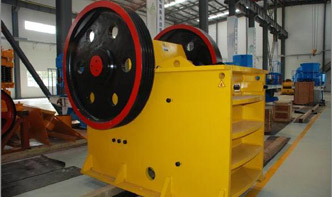
1. Primary Crushing – A jaw crusher or gyratory crusher reduces large granite blocks (<1000mm) to smaller fragments (~150-300mm). High-pressure resistance and wear-resistant liners are essential.
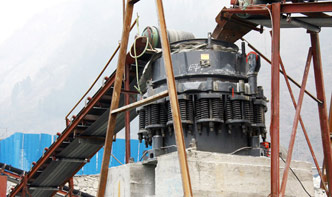
2. Secondary Crushing – Cone crushers further break down material to 20-70mm, ensuring cubical shaping for better concrete adhesion. Hydraulic adjustment enables real-time optimization.
3. Tertiary Crushing (Optional) – Vertical shaft impactors (VSIs) refine aggregates to 5-20mm, producing well-graded sand for high-strength applications.
4. Screening & Classification – Multi-deck screens separate particles into precise fractions (e.g., 0-5mm sand, 5-10mm chips). Closed-circuit systems recycle oversized material.
Q1: How to minimize dust in granite crushing?
A: Use wet suppression systems or enclosed dust collectors at transfer points.
Q2: What maintenance reduces cone crusher downtime?
A: Regular lubrication, mantle/concave inspections, and tramp metal detection prevent failures.
Q3: Can recycled concrete be processed similarly?
A: Yes, but pre-sorting removes contaminants like rebar; impact crushers suit softer materials better than granite-specific setups.
A quarry in Texas implemented the Z Process with a 500tph plant:
The Z Process balances productivity and precision in granite crushing—essential for modern aggregate producers targeting sustainability and profitability. Customized layouts and automation further refine outcomes across diverse project scales.

