Hammer Mill Machine for Coal: A Key Player in the Aggregate and Sand Industry
The aggregate and sand industry is a cornerstone of modern construction, providing essential materials for infrastructure, buildings, and roads. Among the critical equipment used in this sector, the hammer mill machine stands out for its efficiency in processing coal and other brittle materials. This article explores the role of hammer mills in coal crushing, their core features, and their applications in the broader context of aggregate production.
Coal remains a vital energy resource, but its processing often requires size reduction to meet combustion or gasification requirements. Hammer mills are widely used in coal preparation plants due to their ability to crush materials with high moisture content and varying hardness. Beyond coal, these machines are also adapted for crushing limestone, gypsum, and other raw materials in sand and aggregate production lines.
1. Robust Construction: Built with heavy-duty plates and wear-resistant hammers, hammer mills withstand abrasive materials like coal without significant downtime.
2. High-Speed Impact Crushing: The rotating hammers deliver rapid impacts, breaking coal into uniform sizes suitable for further processing or direct use.
3. Adjustable Output Size: By altering screen openings or hammer configurations, operators can control the final product size—critical for meeting specific industry standards.
4. Low Maintenance: Simple design with minimal moving parts reduces maintenance costs compared to other crushers like jaw or cone crushers.
While primarily designed for coal, hammer mills are versatile enough to process aggregates such as:
Their ability to handle wet or sticky materials makes them ideal for integrated sand-making plants where raw material consistency varies.
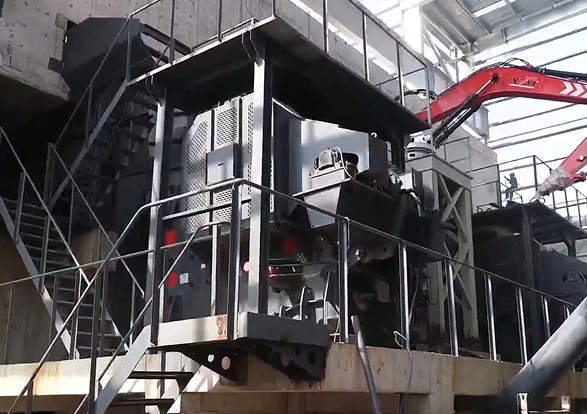
Q1: Can hammer mills replace jaw crushers in aggregate crushing?
A: Hammer mills excel in secondary or tertiary crushing but lack the primary crushing capability of jaw crushers. They are often used downstream for finer size reduction.
Q2: How does moisture affect hammer mill performance?
A: High moisture can cause clogging; however, hammer mills with proper screen designs and airflow systems manage damp coal effectively.
Q3: What’s the typical lifespan of hammers?
A: Depending on material abrasiveness, hammers last 200–800 hours before requiring replacement or rotation for even wear.
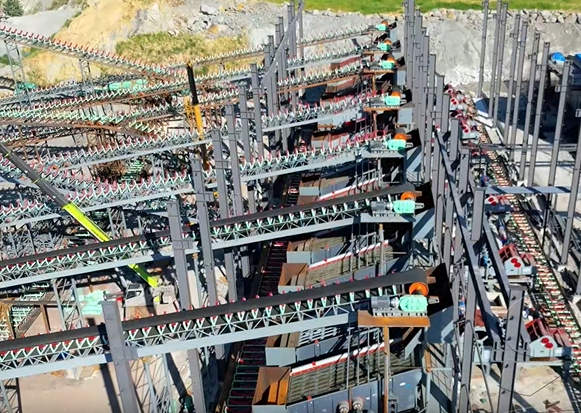
A coal-fired power plant in Indonesia integrated a custom hammer mill into its fuel preparation system. The machine processed 50 tons/hour of run-of-mine coal to a 5-mm output, improving combustion efficiency by 15% while reducing unburned carbon waste.
Hammer mill machines bridge the gap between coal processing and aggregate production, offering flexibility, efficiency, and cost-effectiveness. As the demand for recycled aggregates grows, their role in sustainable material processing will only expand—making them indispensable in modern industrial applications.

