The Role of Bandung Ball Mills in Aggregate and Sand Manufacturing
The global construction boom has intensified demand for high-quality sand and aggregates, driving innovations in crushing and grinding equipment. Among these, the Bandung ball mill has emerged as a reliable solution for mineral processing and aggregate production, particularly in regions like Southeast Asia where infrastructure development is rapid.
Sand and aggregates are fundamental to concrete, asphalt, and road base materials. Traditional crushing methods often fail to achieve the desired particle size distribution or shape, leading to inefficiencies. Ball mills, especially those manufactured in Bandung (Indonesia), address this gap by combining grinding precision with robust design tailored for abrasive materials like limestone, granite, and silica sand.
1. Precision Grinding: Equipped with adjustable rotational speed and liner plates, these mills produce uniformly graded output (0.075–0.89 mm), ideal for concrete sand or mineral filler.
2. Durability: High-chrome steel grinding media and reinforced shells extend service life in high-wear environments.
3. Energy Efficiency: Advanced drive systems reduce power consumption by up to 20% compared to conventional mills.
4. Versatility: Capable of dry/wet grinding for diverse materials, from cement clinker to iron ore tailings.
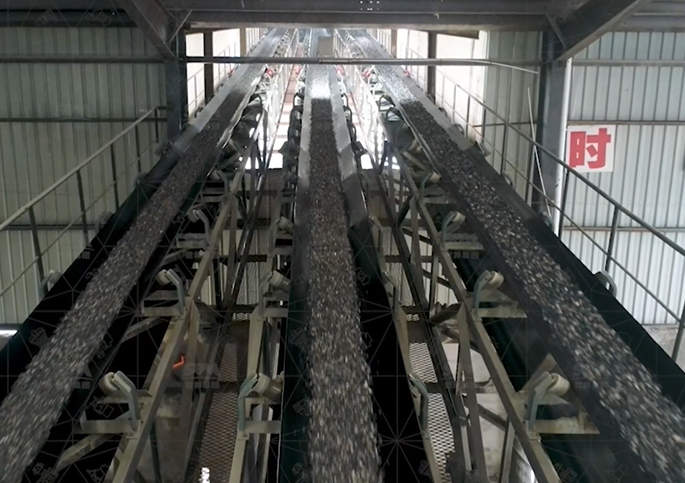
Q: How does a ball mill differ from a vertical shaft impactor (VSI)?
A: While VSIs excel in shaping particles for manufactured sand, ball mills optimize fine grinding and homogeneity, making them complementary in aggregate plants.
Q: What maintenance is required?
A: Regular inspection of liners/lifters and lubrication of bearings every 500 operating hours is critical.
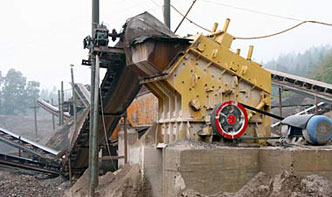
A Malaysian quarry integrated a Bandung ball mill into its existing crushing circuit to process granite waste into 0.3-mm sand for precast concrete. The mill achieved 98% passing rate at 15 TPH, reducing reliance on natural sand by 40%.
Bandung ball mills bridge the gap between crushing and final product refinement, offering a cost-effective solution for modern aggregate producers. As sustainability pressures mount—such as bans on river sand mining—their role in recycling quarry byproducts will only grow. Future trends may include IoT-enabled monitoring for predictive maintenance, further solidifying their place in the industry’s value chain.

