The Evolution of Corian Marble Production Lines in the Aggregates Industry
The global demand for high-quality construction materials, particularly artificial stone like Corian marble, has driven innovations in crushing and sand-making equipment. As a synthetic material, Corian marble combines durability with aesthetic appeal, making it ideal for countertops, flooring, and wall cladding. Its production relies heavily on advanced aggregate processing technology to ensure consistent particle size, shape, and purity.
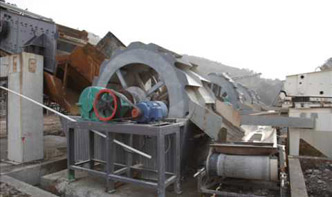
1. Primary Crushers: Jaw crushers or gyratory crushers break down raw quartz, feldspar, or other mineral aggregates into smaller chunks.
2. Secondary Crushing: Cone crushers or impact crushers further refine the material to 20–50 mm granules.
3. Sand-Making Machines: Vertical shaft impactors (VSIs) or roller crushers produce finely graded sand (0–5 mm), critical for binding resins in Corian marble.
4. Screening and Washing: Vibrating screens and sand washers remove impurities and classify particles for uniform mixing with polymers.
Q: What’s the difference between natural marble and Corian marble production?
A: Natural marble relies on quarrying and diamond wire cutting, while Corian involves crushing, grading, and resin polymerization under vacuum.
Q: How to maintain VSI crushers in a sand-making line?
A: Regularly check wear parts (rotor tips, anvils) and balance rotor assemblies to prevent vibration-induced downtime.
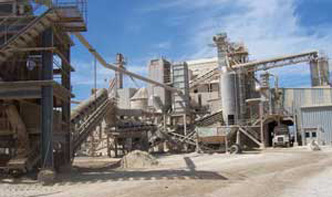
A Turkish construction firm upgraded its aging line with a VSI-1145 sand maker and multi-layer screens, achieving 30% higher output of 0–3 mm sand for Corian slabs. The project reduced energy consumption by 15% through optimized crushing chambers.
The Corian marble production line exemplifies how advanced aggregate processing meets architectural demands. With smarter equipment and greener practices, manufacturers can scale efficiently while maintaining premium product standards. Future advancements may focus on AI-driven quality control and hybrid materials blending recycled aggregates.

