Literature Review on Hammer Mill Machines in the Aggregate Industry
Industry Background
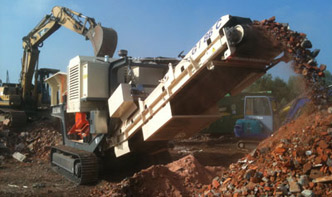
The aggregate industry plays a pivotal role in construction, producing essential materials like crushed stone, sand, and gravel. Hammer mills are widely used in this sector for size reduction, offering high efficiency in processing brittle and medium-hard materials. Their versatility makes them suitable for primary, secondary, or tertiary crushing stages.
Core Functionality & Advancements
A hammer mill operates by impacting materials with rapidly rotating hammers mounted on a rotor. Key components include:
Modern designs incorporate adjustable screen sizes, wear-resistant alloys, and automated control systems to optimize throughput and reduce downtime. Innovations like dual-direction rotors and hybrid hammer configurations enhance efficiency while minimizing energy consumption.
Common FAQs
1. What materials can hammer mills process?
Ideal for limestone, coal, gypsum, and recycled concrete; unsuitable for highly abrasive or fibrous materials without modifications.
2. How to minimize wear?
Use hardened hammers, regular maintenance schedules, and monitor feed size uniformity to avoid excessive abrasion.
3. Energy efficiency tips?
Optimize rotor speed and screen size based on material properties; consider variable-frequency drives (VFDs).
4. Noise/dust mitigation strategies?
Enclose the mill with soundproofing panels and integrate dust collection systems (e.g., baghouse filters).
Engineering Case Study
A quarry in Texas upgraded to a high-capacity hammer mill with ceramic-lined wear parts, achieving:
Conclusion
Hammer mills remain indispensable in aggregate processing due to their adaptability and cost-effectiveness. Future trends may focus on AI-driven predictive maintenance and hybrid crushing circuits combining hammer mills with cone crushers for finer grading control.

