Acid-Activated Bentonite Production Line: A Comprehensive Overview
Industry Background
Bentonite, a versatile clay mineral, is widely used in industries such as foundry, oil drilling, and wastewater treatment due to its exceptional adsorption and swelling properties. Acid-activated bentonite, produced by treating raw bentonite with sulfuric or hydrochloric acid, exhibits enhanced bleaching and catalytic capabilities, making it indispensable in edible oil refining and chemical processes. The production line for acid-activated bentonite integrates crushing, grinding, activation, drying, and milling to meet stringent industrial standards.
Core Process & Equipment
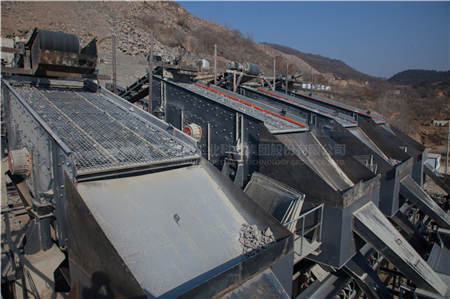
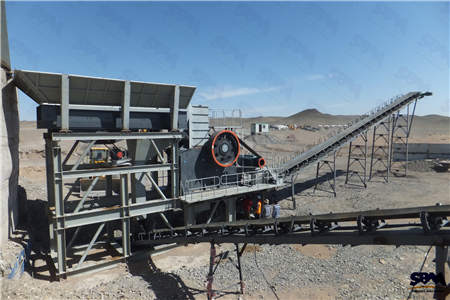
1. Crushing & Grinding: Raw bentonite is first crushed by jaw crushers or hammer mills to reduce particle size. Roller mills or Raymond mills then finely grind the material to 200-400 mesh for optimal acid reaction.
2. Acid Activation: The powdered bentonite is mixed with dilute acid (typically 15-30% concentration) in reactors at 80-100°C for 2-4 hours. This process dissolves impurities and increases surface area.
3. Washing & Filtration: Activated slurry is washed to remove residual acid using filter presses or centrifuges. Neutralization with alkali may follow to stabilize pH.
4. Drying & Milling: Flash dryers or rotary dryers reduce moisture to <10%, followed by ultrafine milling to achieve uniform particle distribution (D90 < 20μm).
Key Equipment Highlights
FAQ Section
1. What acid concentration is optimal?
Sulfuric acid at 20-25% balances activation efficiency and cost. Higher concentrations risk over-dissolution of bentonite layers.
2. How to minimize iron contamination?
Use ceramic-lined equipment and avoid iron-based tools during processing.
3. Can wastewater be recycled? Yes, neutralized effluent can be reused in washing stages after precipitation treatment.
Engineering Case Study
A project in Gujarat, India, processed 50 tons/day of calcium bentonite into acid-activated grade for palm oil refining:
This streamlined production approach ensures consistent quality while addressing environmental and operational hurdles inherent in acid activation processes.

